


Corolla Guide Sections:
- Where to Stay
- Activities & Attractions
- The Beach
- Corolla 4x4 Summer Parking Passes
- Restaurants
- Shops
- Upcoming Events
- Corolla History
- Frequently Asked Questions
- Photos
Corolla offers upscale luxury and modern class to the classic Outer Banks vacation.
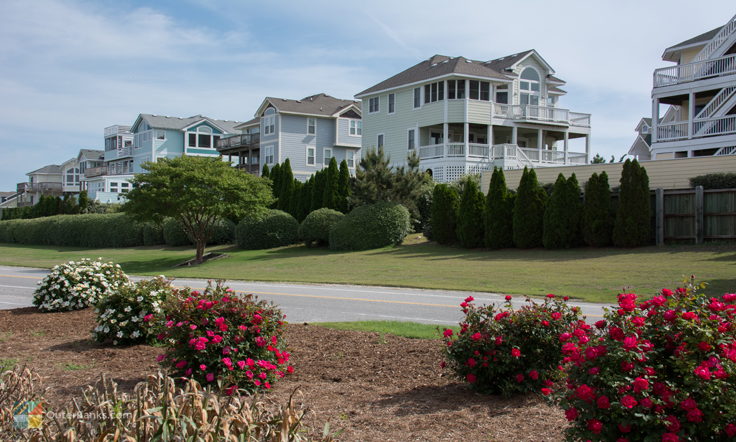
Prized for its natural beauty, seclusion, and its abundance of upscale, boutique shops and dining options, Corolla is the ideal vacation destination for families who are just as happy lounging on the beach in flip flops as they are indulging in an afternoon at the spa. If your family group is large, Corolla offers plaenty of palatial and spacious vacation rental homes with an unending assortment of amenities.
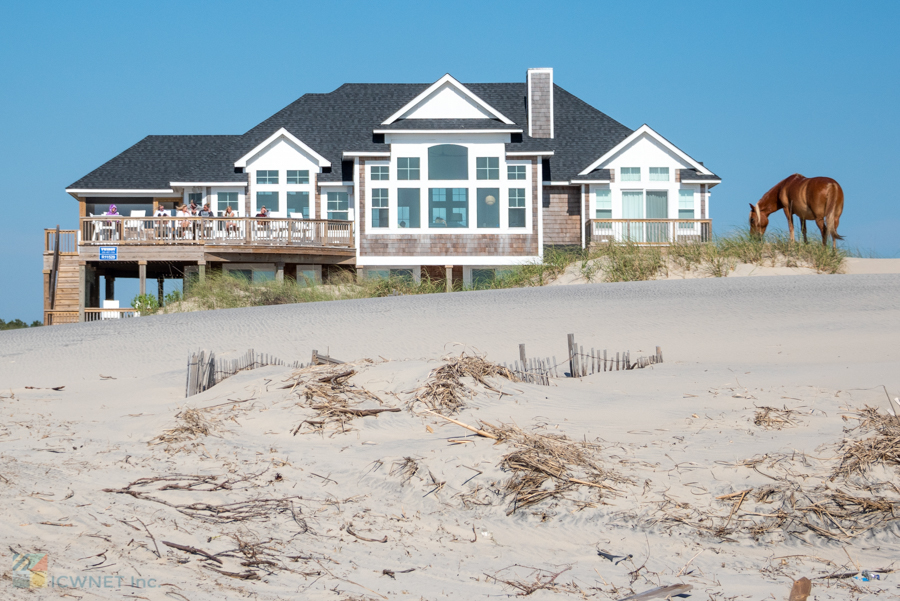
Corolla, NC Accommodations
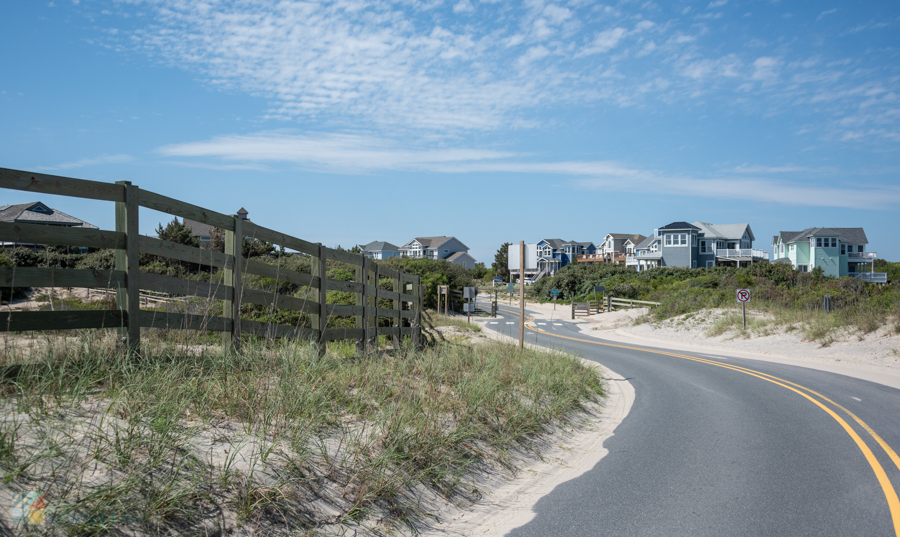
Corolla is a unique destination that borders both the Atlantic Ocean and the Currituck Sound, allowing visitors to access to the salty ocean waves, the calm kayak-worthy sound waters, and the idyllic maritime forests that lie in between.
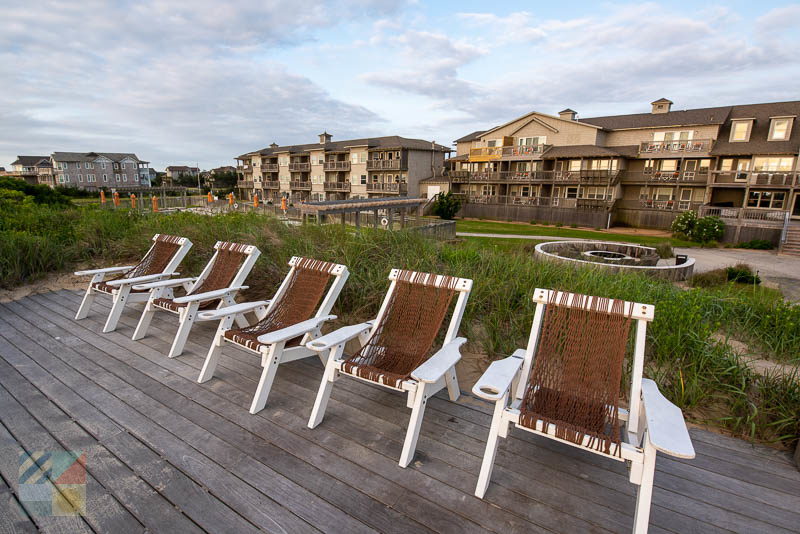
Most vacationers book a vacation rental home, which are rented in 1 week increments, and can vary from modest 3 bedroom homes to large, luxury 18+ bedroom event venues. Due to the growing upscale reputation of the area, many of these homes offer a variety of luxury amenities such as private heated pools, hot tubs, game rooms, plush theater rooms, internet access, and easy beach access. A number of reputable vacation rental management companies service the area, so there is generally a wide selection to choose from. The grandiose nature of these vacation homes make them ideal for special events, weddings, or corporate retreats. The following companies offer vacation rentals in Corolla:
Vacation Rental Companies
Beach Realty & Construction Quality Outer Banks Vacation Rentals since 1964. Beach Realty & Construction / Kitty Hawk Rentals offers over 450 rental homes in 4x4 Carova Beach, Corolla, Duck, Southern Shores, Kitty Hawk, Kill Devil Hills & Nags Head. Oceanfront to Sound front, 2 – 9 bedrooms and many offer private pools, elevators, keyless entry, linens & pet-friendly! Weekly, partial week & long term rentals available! Call us: 800.635.1559... www.beachrealtync.com

KEES Vacations offers the best Outer Banks rentals for family vacations, romantic weekend getaways and groups of all sizes looking for the perfect OBX rental for their stay. When booking with KEES Vacations, travelers can expect excellence in service and a one-of-a-kind OBX vacation experience. We've got your perfect Nags Head vacation rental, oceanside escape in Corolla, or oceanfront beach house in Kill Devil Hills. Call 866-316-1843 or visit www.keesouterbanks.com

Twiddy & Company's vacation rentals are the perfect place to reconnect with family and friends and we offer the biggest selection of any company in the northern Outer Banks. From expansive oceanfront rentals to peaceful soundfront homes our Outer Banks vacation rentals allow you an infinite variety of vacation experiences. For more information, visit www.twiddy.com or call 252-457-1100.
Carolina Designs Realty represents 350+ select Outer Banks vacation rentals from Corolla to south Nags Head. Browse 4-30 bedroom homes, including oceanfront, private pool, and pet-friendly options. Many homes provide elevators, rec rooms, home theaters, hot tubs, and more. Every stay includes keyless entry, freshly-made beds, and a local team behind your vacation.

Resort Realty offers premier Outer Banks vacation rentals from Corolla to Hatteras Island. Choose from a wide range of vacation rentals from small, classic beach boxes to luxe, lavish oceanfront homes. Resort Realty has a vacation home for everyone. Browse our website at www.resortrealty.com or give us a call at 800-458-3830 and our vacation specialists will be happy to help you find the perfect home!

Atlantic Realty has been helping families create Outer Banks vacation traditions for almost 40 years. Our wide variety of rental homes and condos are sure to fit every family's style, size, and budget. All of our OBX vacation homes are well maintained with attention to detail, a superior housekeeping staff and on-staff maintenance - ensuring that your vacation experience is fantastic year after year.

Brindley Beach Vacations offers premier real estate and property management services on the entire Outer Banks. Representing more than 600 vacation rental homes, Brindley Beach caters to all regions from the south beaches of Hatteras Island, Frisco, Buxton, Avon, Rodanthe, Waves, Salvo, to Nags Head, Kill Devil Hills, Kitty Hawk and north to Southern Shores, Duck, and Corolla, as well as the 4WD area of Carova Beach. As a result, vacationers will find a wide range of homes or lots to choose from, from sunny condos with a host of amenities to massive sandcastles on the edge of the beach.

Outer Banks Blue - Since 2005, Outer Banks Blue has delivered exceptional vacations for OBX visitors. Our family-owned and locally managed rental company focuses on service and promises “a relaxing experience with a local touch.” Turn your dream vacation into a date on the calendar by choosing from 250+ meticulously maintained rental houses in Corolla, Duck, Southern Shores, Kitty Hawk, Kill Devil Hills, and Nags Head. Call us at (252) 255-1220 for assistance in finding the perfect vacation home.

Southern Shores Realty Offering over 350 homes from Corolla to S. Nags Head, the Outer Banks Experts at Southern Shores Realty make it easy to find the perfect vacation rental! Proudly operating since 1947, we are family owned business that serves Outer Banks visitors and locals. Whether you are looking for an oceanfront luxury rental or an affordable place to hang your hat, we make finding the perfect home as simple as it should be... www.southernshores.com

Sun Realty offers the largest selection of rentals in the Outer Banks. Choose from a wide range of amenities, including private swimming pools, hot tubs, theater rooms, game rooms, pet friendly lodging and more. Our properties span the entire OBX coast including Carova, Corolla, Duck, Southern Shores, Kitty Hawk, Kill Devil Hills, Nags Head, and South Nags Head. On Hatteras Island, we proudly offer beach cottages in all villages... www.sunrealtync.com

Hotels
Corolla, NC Activities and Attractions
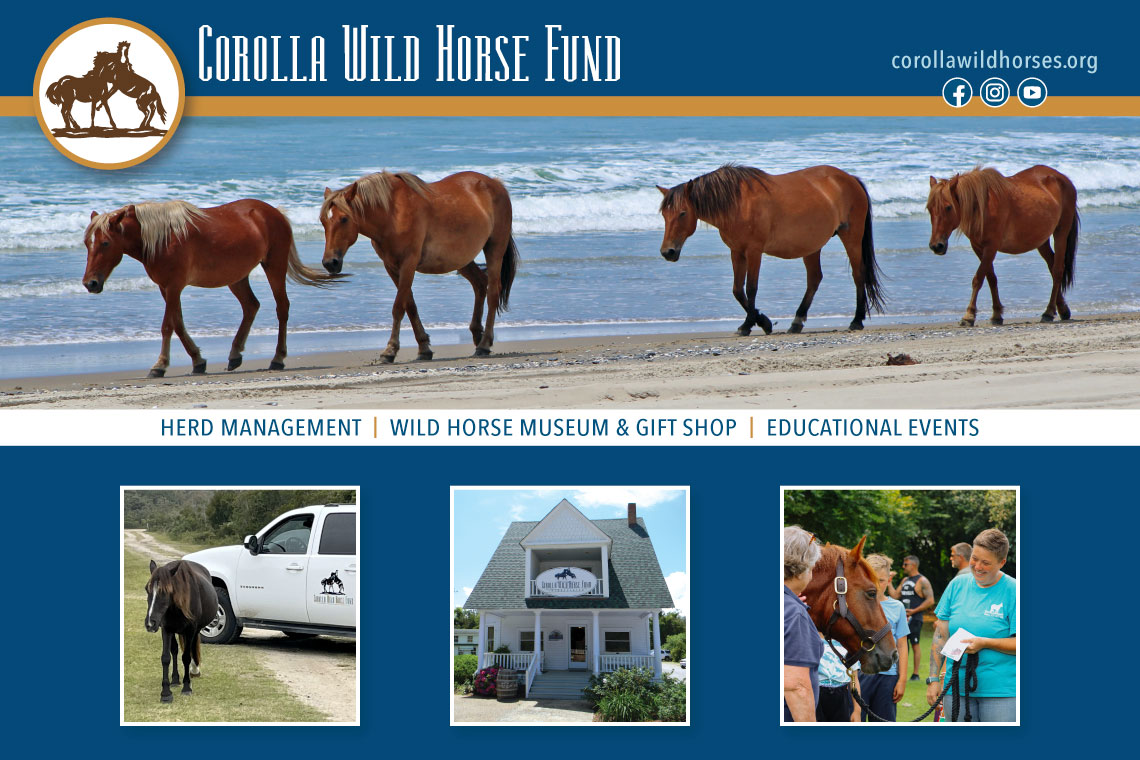
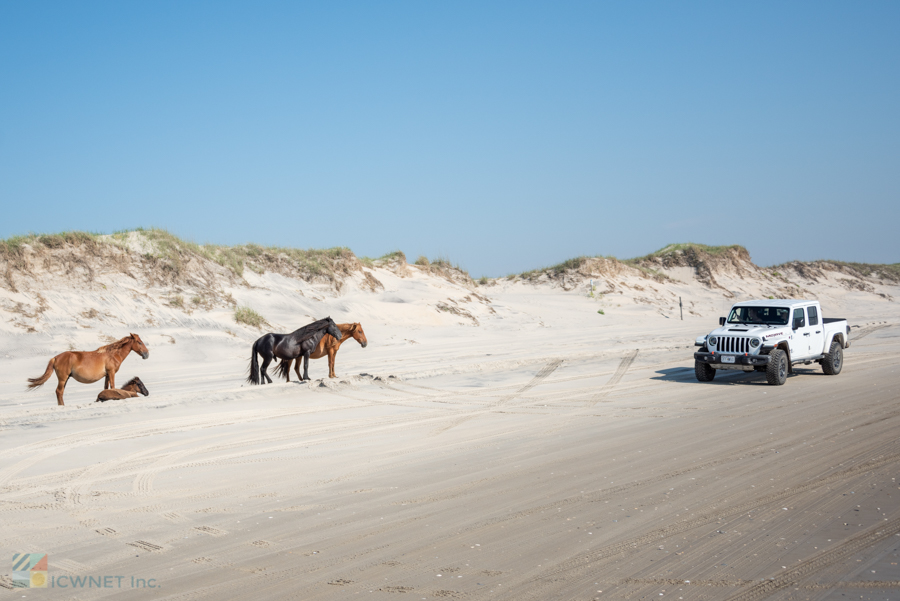
Corolla's wild Horses - Roaming the Northern beaches of Corolla and Carova, this herd of Wild Colonial Spanish Mustangs is perhaps more popular than the Currituck Beach Lighthouse or Whalehead in Historic Corolla. Visitors can find the horses along the beach and within the community of Carova. A 4x4 vehicle is required to access this rather remote area. It's no wonder that Corolla's Guided wild horse tours are the most popular Outer Banks Tours!
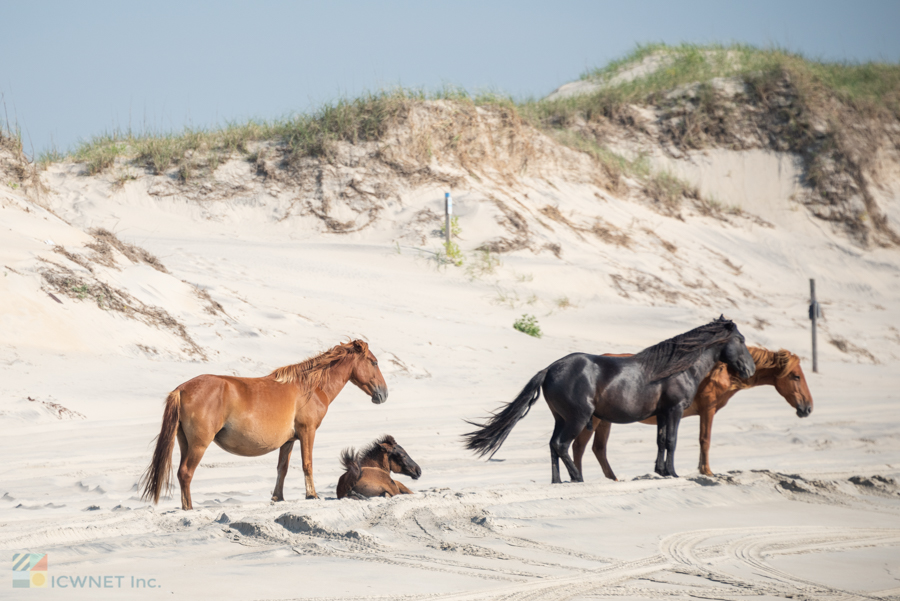
The Corolla Wild Horses have been a huge draw for decades, as their mystique and centuries old legacy is simply unmatched on the local OBX coastline. Added to this is the romantic idea of a beach vacation that's truly wild, with mustangs who travel up and down the Carova beaches with ease and absolute abandon. It's no wonder that popular fiction and movies, such as the recent release of "Nights In Rodanthe" has romanticized their presence, and why so many vacationers fall in love with the wild horses and make a visit to the Corolla Wild Horse Fund every year to find out how they can help.
*It is important to remember that the Wild Colonial Spanish Mustangs are, in fact, wild. Do not approach within 50 feet of the horses, or feed them. Wild horses cannot digest fruits and vegetables like domesticated breeds. Close interaction is dangerous to both humans and horses.
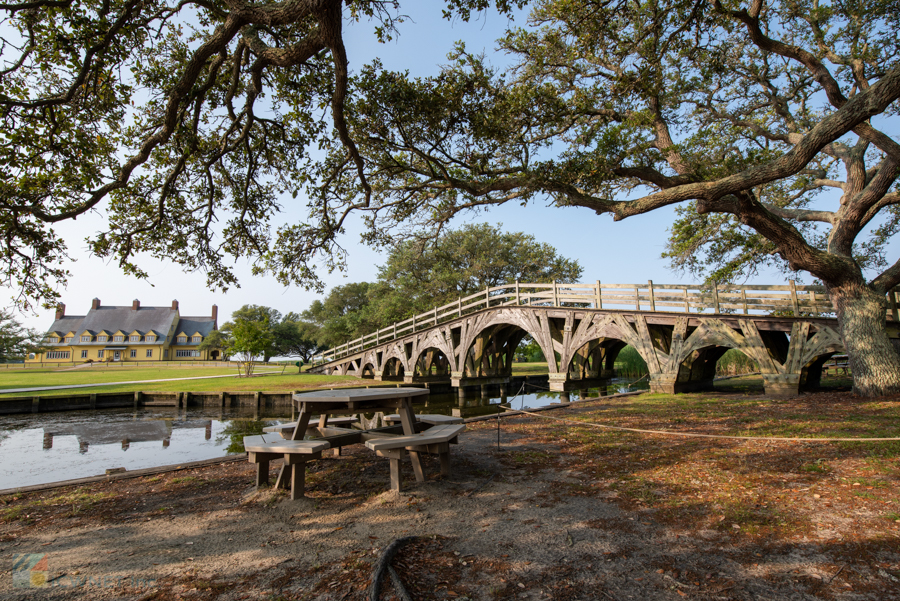
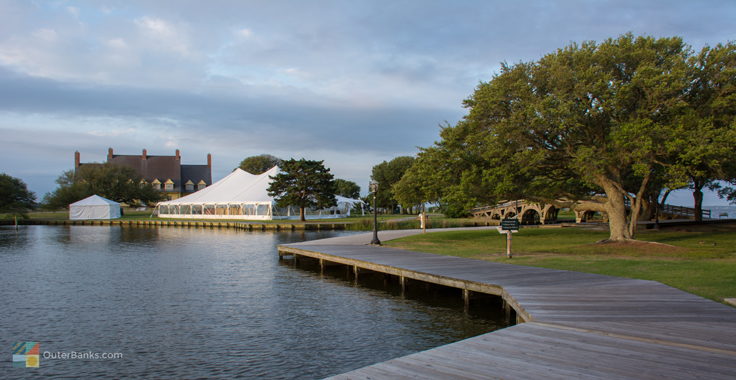
Whalehead in Historic Corolla - Completed in 1925, the sprawling lemon yellow Whalehead in Historic Corolla has served a number of purposes during its decades of operation, including housing a private school for boys and acting as a rocket fuel-testing base. Today, the Whalehead in Historic Corolla is one of Corolla's best attractions, offering seasonal guided tours, 39 acres of picturesque landscape for picnic baskets, and special facilities for weddings and special events. Seasonally, you'll find a number of the area's best events on the premises, like the weekly Wednesday wine festival, where visitors are encouraged to sample North Carolina's best wines and local foods while listening to a little live outdoor music.
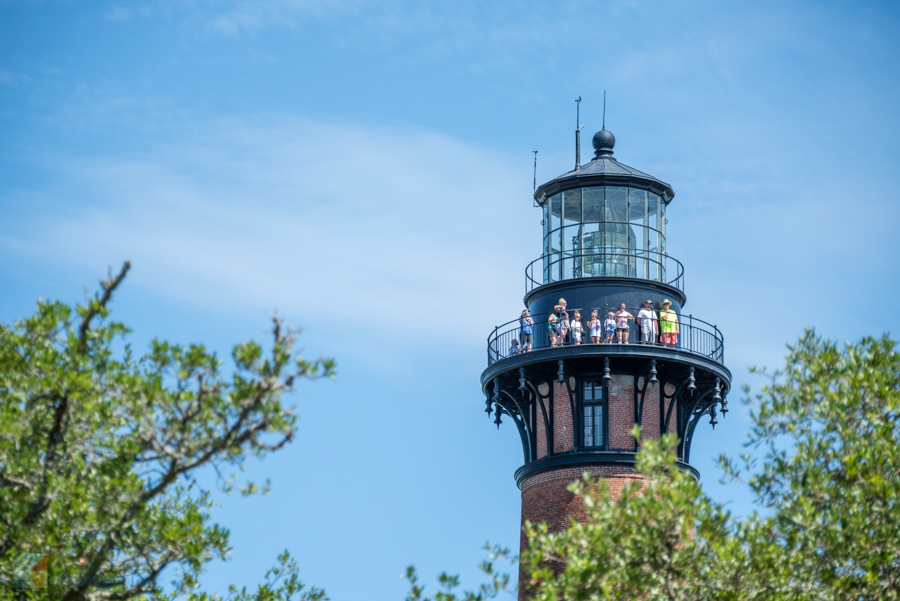
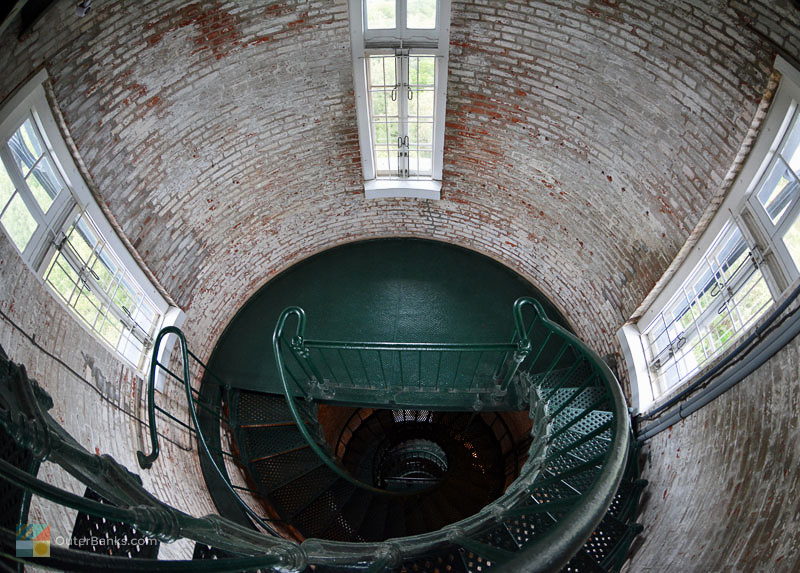
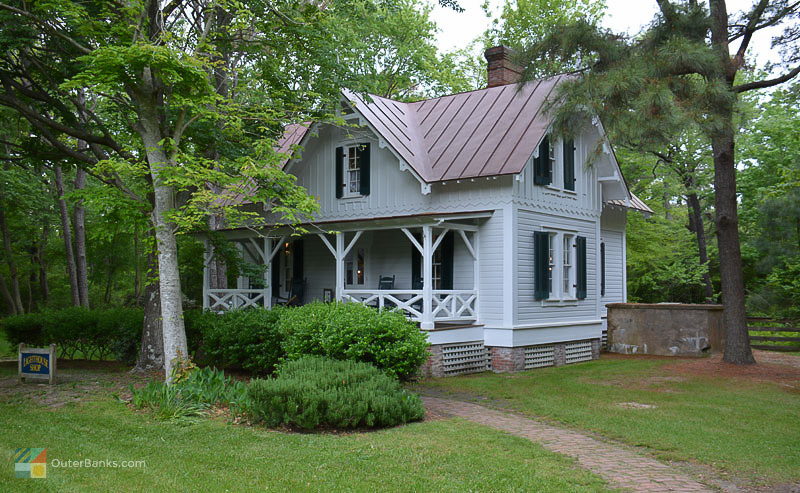
Currituck Beach Lighthouse: Vacationers with stamina are welcome to climb the 214 steps to the top of the Currituck Beach Lighthouse for unparalleled 360 degree views of the Outer Banks. The historic and distinctive red lighthouse is open seasonally to visitors from 9a.m. to 5p.m., and the wooded grounds, which include the original light keepers home, is idyllic for a bike ride or a stroll through the live oaks. As one of the last testaments to Corolla's early roots as a local seaside community and guardian for sailors travelling past the Outer Banks, the lighthouse is a must on every visitor's list.

Center for Wildlife Education - Located in Historic Corolla Park, the center is an impressive and marvelous 22,000 square foot interpretive center for young and old alike to explore the history and vast diversity of North Carolina's wildlife. One of the key displays is a massive living aquatic ephemera of fish, native to the region, housed in an 8,000 gallon aquarium where families can get up close and personal with a rich variety of finned swimmers. "You have to remember we have a variety of marine eco-systems here. The ocean, the sound and an estuary so it is pretty diverse.
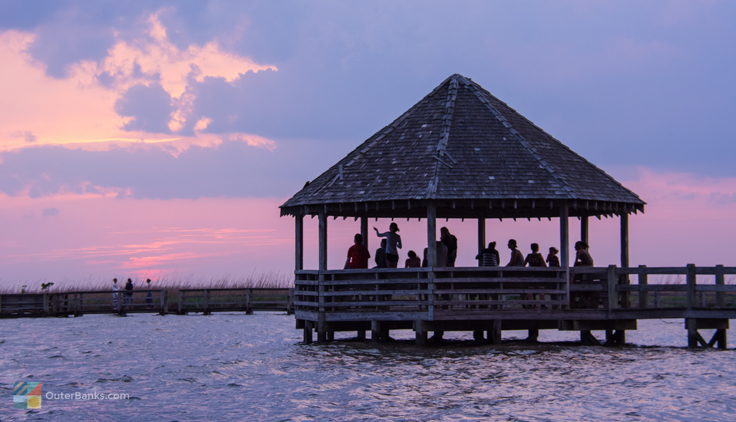
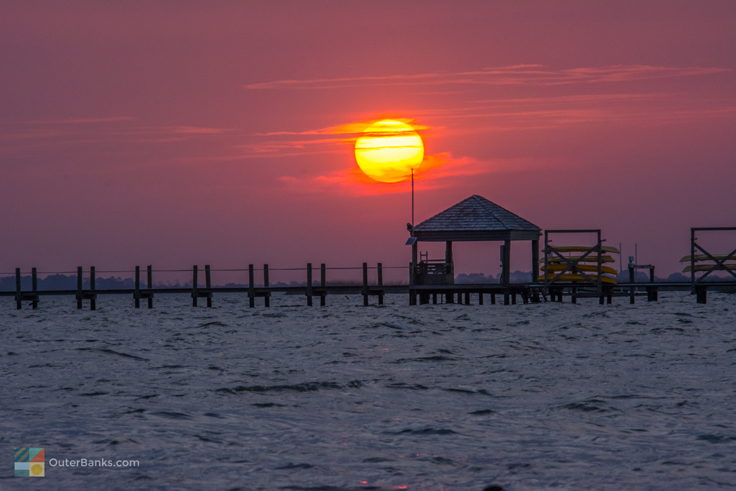
Watersports and Outdoor Activities - For those who crave a little more outdoor excitement, there are a number of water sport rental and instruction companies that cater to Corolla. Specialty shops offer rentals and lessons for corolla-surfing, ocean kayaking, and SUP (stand up paddle boarding) for vacationers who want an adventure on the water. For a relaxing outdoor excursion, take in a guided kayak tour of the Currituck Sound for a lazy sunset and an evening surrounded by egrets and Blue Herons.
Shopping - The heart of Corolla is a mini shoppers' paradise with a small number of shopping complexes, such as The Shoppes at the Currituck Club, TimBuck II, Monteray Plaza and Corolla Light Town Center, which offer both chic boutiques for souvenirs, and national chain grocery or staple stores for necessities. There are a couple hotels in the area for short stays, but most of the accommodations in Corolla are vacation rental homes which generally rent on a weekly basis, and are scattered throughout the area. Essentially, Corolla vacationers have the option to stay close to the shopping, dining, and activities of Corolla, or relax on the outskirts of the more developed center, in relative privacy.
Dining - After dark, there's a wide variety of Corolla restaurants to take in a quick North Carolina BBQ platter, have a pizza delivered to your vacation rental home, or enjoy a five course waterfront meal. Entertainment from karaoke to local bands is seasonably available, and provides an outlet for Corolla night owls.
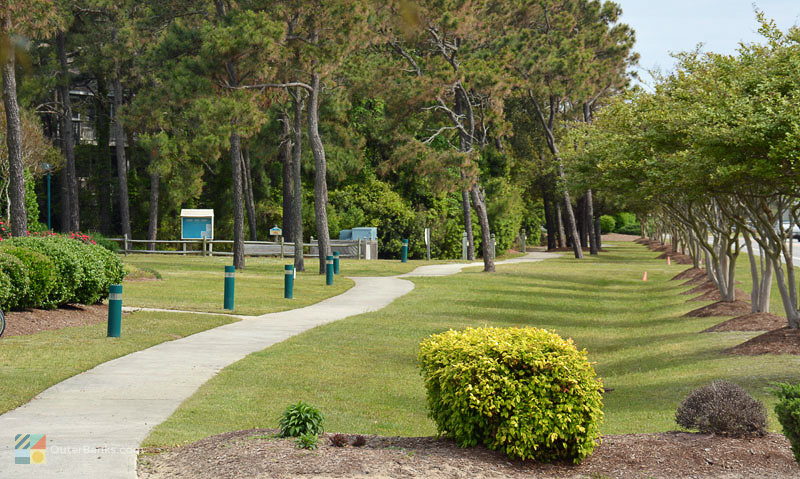
Golf and Amusements - Out of the water, Corolla offers an 18-hole golf course, a skate park, putt-putt courses, and soundside nature trails to keep vacationers entertained.
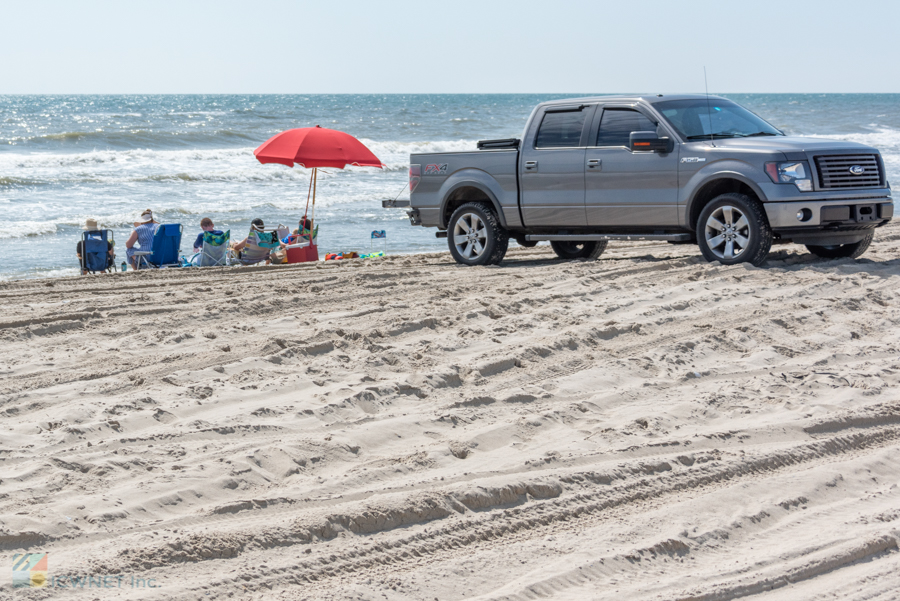






Summer Parking Permits for Currituck County beaches (Corolla / Carova)
Vehicles MUST have a county-issued Beach Parking Permit properly displayed to park on the beach from the last Saturday of April through the first Saturday in October. Visitors renting in the 4-wheel drive area north of where the paved road ends should contact their rental company or property owner with any questions. Two parking permits should be provided to you. Visitors NOT renting in the 4-wheel drive area may purchase a weekly Beach Parking Permit online through the Currituck County website. Parking permits are limited to 300 per week and cost $50 each. Once purchased, the permits can then be picked up at the Currituck Outer Banks Visitor Center in Corolla (500 Hunt Club Drive, Corolla).
Corolla, NC Beach Information & Guidelines
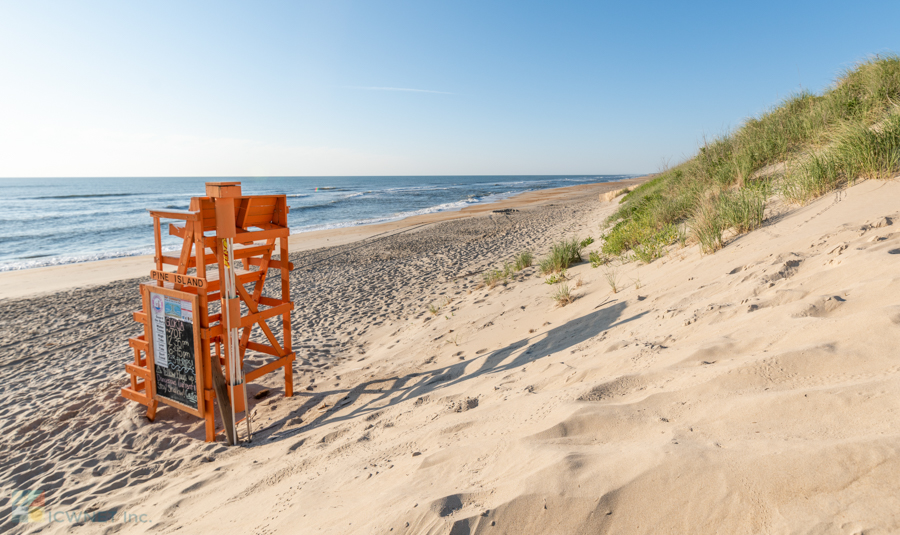
Like all Outer Banks vacation destinations, the beach is the main attraction, and with miles of unspoiled beaches without the development of commercial boardwalks, businesses, or 4WD traffic, Corolla is ideal for families who want a large patch of sand to play on. Still a relatively small vacation destination, vacationers will have no problem finding a spot to put their beach blanket, and the seclusion of Corolla is one of its many draws as a beach vacation hotspot. Here are some things to know about Duck beach policies:
- Dogs are allowed on Currituck County beaches all year. They must remain on a leash. There is no leash length requirement.
- Fireworks and beach bonfires are not permitted in Corolla.
- Beer is allowed on the beach (but not glass bottles). Wine and liquor are not officially permitted. Please drink responsibly.
- Metal detecting is allowed.
- Red flags = no swimming. When you see red flags flying, dangerous conditions are present and swimming is prohibited.
- It is illegal to walk on the dunes, and it is also illegal to pick live sea oats growing on the beaches.
- Fill in any holes you dig. Holes in the sand can be a hazard.
- Be mindful of Noise. Most communities consider a violation of the noise ordinance to be any sound that can be heard from inside a nearby residence, and any load noise after approximately 11:00 p.m.
- No glass on the beach. Be mindful of glass bottles. Alcohol is allowed on all beaches, but if at all possible, stick to cans and plastic to save future beach-goers from any bare foot injuries.
- Surf fishing is allowed. A fishing license is required in North Carolina and can be obtained before your vacation via the NC Marine Fisheries and Wildlife website, or a fishing license can be purchased at most any tackle shop on the Outer Banks.
- 4x4 vehicles can access the beach at the Northern end of NC 12 where the paved road ends. 4x4 access North of this point is allowed year round. 4x4 access South of this point is permitted between October 1 and April 30. Driving at night is allowed. Overnight parking is allowed if the occupant is actively fishing. ATV's allowed for residents with permit. In season parking requires a permit (See information above in this article).
- UTVs and ATVs are generally prohibited on the beach, with some exception for local residents.
Beach Access
With public parking, located on the following streets in Corolla:
- Corolla Village Road - restrooms, showers, parking, and lifeguards
- Shad Street - parking, lifeguards
- Bonito Street - parking, lifeguards
- Sailfish Walkway - parking, lifeguards
- Yaupon Lane - restrooms, showers, parking, and lifeguards
Without parking, at the following locations:
- Tuna Street
- Barracuda Walkway
- Herring Walkway
- Perch Street
- Mackeral Walkway
- Coral Walkway
- Marlin Walkway
- Dolphin Street
- Albacore Street
Corolla Restaurants
Corolla boasts a vibrant and diverse restaurant scene that draws food enthusiasts from all over. Whether you are looking for fresh, local seafood or creative twists on classic Southern cuisine, Corolla has something to offer. With an emphasis on local ingredients and seasonal menus, Corolla restaurants embrace innovative new flavors and techniques. From elegant fine dining establishments to laid-back beachfront cafes, Corolla's restaurant scene is a testament to the area's unique blend of history, culture, and natural beauty. Here are some local favorites:



Corolla Shops
Take a stroll through charming boutique shops, explore local art galleries, and find unique treasures scattered throughout Corolla. From beachwear to souvenirs, handmade jewelry, to beach decor, Corolla's shops cater to a variety of interests and styles. With a blend of locally owned businesses and larger chain stores, the town's shopping scene offers a diverse array of options for visitors to explore and discover.






Corolla Events
November 27th, 2026 - November 28th, 2026
Celebrate the magic of the holiday season on the Outer Banks with Christmas in Corolla, a festive celebration that brings holiday cheer, local shopping, and family-friendly activities to the charming surroundings of Historic Corolla. The festivities...
November 27th, 2026 - December 19th, 2026
Step back in time and experience the elegance of Christmas past with Whalehead's Candlelight Christmas Tours, a beloved holiday tradition in Historic Corolla. Held at the beautifully restored Whalehead mansion overlooking the Currituck Sound, these...
March 20th, 2027 - March 21st, 2027
Not for the faint of heart, the Blackbeard's Revenge 100 is a relatively new event that first launched in 2019, and which will test the strongest athletes from the Outer Banks area and miles beyond. Covering a lengthy coastal course that extends for...
Some Corolla History
Corolla wasn't always the vacation hotspot it is today. The village was discovered, along with its neighbors Duck, Carova, and the Currituck mainland, in the late 1600s by a handful or European settlers, who stayed on the island to carve out a community by the sea. Corolla became official town name when the local post office took root in the late 1800s. For several centuries, Corolla remained an undisturbed home to a few hardy locals, and in the late 1800s, the population grew slightly as lifesaving stations, like the Jones Hill Life Saving Station, were constructed to help sailors navigate the oftentimes treacherous waters off the North Carolina coast. In 1873, construction began on the distinctive red brick Currituck lighthouse. Completed and in operation just two years later, the lighthouse literally served as a beacon to countless sailors cruising the dangerous northern stretch of Diamond Shoals.

A few decades after the Currituck lighthouse was constructed, Corolla received a minor population boost in the form of two of Philadelphia's wealthiest residents, Edward and Marie Louise Knight. In 1922, the couple began work on their luxurious seaside home, known today as the "Whalehead in Historic Corolla," and invited and hosted their friends on local hunting and fishing exhibitions. Despite the popularity within the Knight's inner circle, Corolla was still relatively unknown for the next 50 years, frequented only by daring vacationers who were willing to drive miles past the more popular areas of Nags Head, Kill Devil Hills and Kitty Hawk down clay and sand trails that were unpredictable and barely functional as roads.
In fact, there wasn't a legitimate road to Corolla until 1984 when NC Highway 12 was finally extended to the village, and development finally began to boom. The growth was slow at first, with a handful of communities like Ocean Sands and Whalehead popping up along the beaches, but by the late 80s, more and more developers had discovered the area. Over the next three decades, construction in Corolla surged, and the town became home to several hotels, resorts, grocery stores, restaurants, and shopping centers. Yet despite the developing interest, and thanks to a vocal local community, Corolla was able to maintain its status as a small town beach community, without the grander development of other North Carolina beach towns.
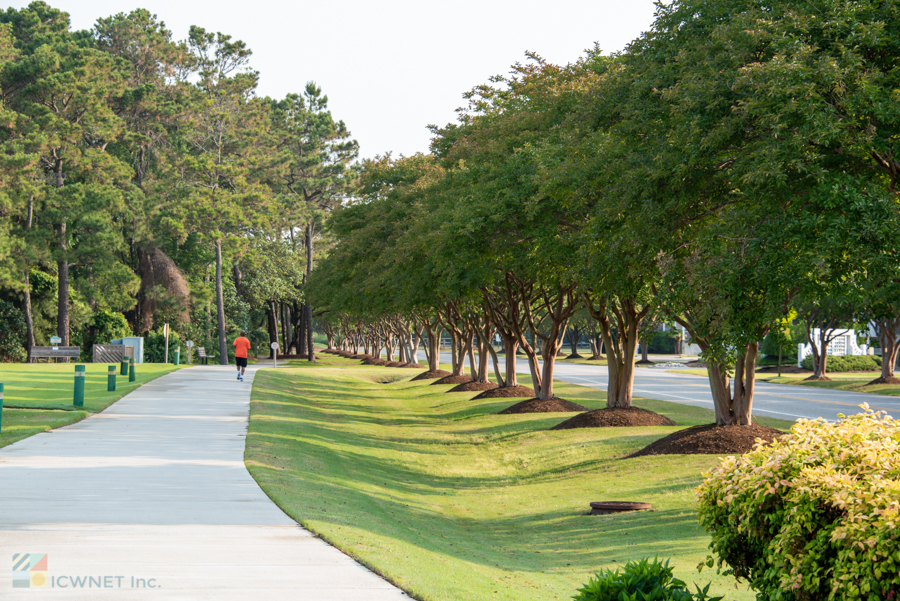
What to know before you go to Corolla
Because Corolla accommodations are both limited and popular, it's important to book your stay well in advance. Search local vacation rental companies early to ensure the best selection. Traffic on the two-lane NC Highway 12 can be busy on summer weekends, so be prepared for minor delays when traveling, The reward is a vacation stocked with gorgeous beach days and plenty to do off the sand. Restaurant reservations are generally not be required, but might be recommended a few days in advance during the summer months.
With nearby grocery and beach supply stores, you can pack light, and equipment rental services are available to have your beach necessities waiting for you when you arrive. Be sure and ask your rental company about guidelines for special vehicles, such as RVs and campers, as these may not be allowed in your beach community. Above all else, for vacationers on a budget, don't forget the off-season - the temperate beaches of North Carolina in the Fall and Spring shoulder seasons offer lots of secluded beaches, plenty of local attractions, and lots of open businesses at a better rate.
Corolla may have gained national attention as one of America's best secluded beaches with upscale amenities and luxurious accommodations, but thankfully, Corolla still retains its small beach-town charm that attracted Outer Banks visitors in the first place. For vacationing families who want plenty of sand to spread out, but would like to still enjoy the amenities of a resort beach community, Corolla is an ideal vacation destination.

Corolla, NC Frequently Asked Questions
Where is Corolla, NC?
Corolla is located in the northernmost region of the Outer Banks, just north of the town of Duck, and just south of the 4WD beaches of Carova. It is part of Currituck County, and is accessible via Highway 12 North.
How do you pronounce Corolla, NC?
Outer Banks locals pronounce Corolla as “Car-rah-la,” without the obvious “O” sound. Many visitors mistakenly pronounce Corolla like the car model, or “Cor-oh-La.”
What is Corolla known for?
Corolla is known for its miles of beaches, as well as its array of restaurants, shops, and historic attractions. Corolla is also the home of several popular Outer Banks attractions, including the Currituck Beach Lighthouse, the Whalehead Club, the Outer Banks Center for Wildlife Education, and the Wild Horse Museum.
What is there to do in Corolla?
Most of the fun in Corolla revolves around the beach, as the town is known for great swimming, surfing, fishing, shelling, and miles of uncrowded shorelines to go around. Corolla also has a number of shops and restaurants, bars and nightlife venues, and several attractions including the Currituck Beach Lighthouse and the historic Whalehead Club.
What are Corolla’s top attractions?
Corolla’s top attractions are the Currituck Beach Lighthouse and the adjacent Whalehead Club and Historic Corolla Park. Other sites of interest include the Outer Banks Center for Wildlife Education, the Wild Horse Museum, and the Currituck National Wildlife Refuge.
Where are the beach accesses in Corolla, NC?
Beach accesses with public parking are located on the following streets in Corolla, NC:
- Corolla Village Road - restrooms, showers, parking, and lifeguards
- Shad Street - parking, lifeguards
- Bonito Street - parking, lifeguards
- Sailfish Walkway - parking, lifeguards
- Yaupon Lane - restrooms, showers, parking, and lifeguards
Beach access locations, (without parking), are found at the following locations:
- Tuna Street
- Barracuda Walkway
- Herring Walkway
- Perch Street
- Mackeral Walkway
- Coral Walkway
- Marlin Walkway
- Dolphin Street
- Albacore Street
In addition, many private communities have their own beach accesses and / or tram service to the beach.
Are pets allowed on the beach in Corolla, NC?
Dogs are allowed on the beach all year long in Corolla, provided they are on a leash at all times. Owners must also clean up after their pets while on the beach.
How do you see the wild horses of Corolla, NC?
The wild horses can often be spotted in the 4WD beaches that are located just north of Corolla. There are also several Corolla wild horse tour companies that provide excursions to remote areas where the wild horses can frequently be found.
Can I drive on the beach in Corolla, NC?
There is no beach driving allowed within the town limits of Corolla, however visitors can drive on the 4WD accessible shorelines just north of town. A 4WD ramp is located on the end of North Beach Access Road, off of Ocean Trail in Corolla. Vehicles MUST have a county-issued Beach Parking Permit properly displayed to park on the beach from the last Saturday of April through the first Saturday in October. Visitors renting in the 4-wheel drive area north of where the paved road ends should contact their rental company or property owner with any questions. Two parking permits should be provided to you. Visitors NOT renting in the 4-wheel drive area may purchase a weekly Beach Parking Permit online through the Currituck County website. Parking permits are limited to 300 per week and cost roughly $50 each. Once purchased, the permits can then be picked up at the Currituck Outer Banks Visitor Center in Corolla (500 Hunt Club Drive, Corolla).
Do you need a permit to drive on the Corolla beaches?
You do not need a permit to drive on the beaches north of Corolla. However, you must have a 4WD vehicle, and you should air down your tires to roughly 15-20 PSI before driving on the sand. See our article about driving on the beach. Vehicles MUST have a county-issued Beach Parking Permit properly displayed to park on the beach from the last Saturday of April through the first Saturday in October. Visitors renting in the 4-wheel drive area north of where the paved road ends should contact their rental company or property owner with any questions. Two parking permits should be provided to you. Visitors NOT renting in the 4-wheel drive area may purchase a weekly Beach Parking Permit online through the Currituck County website. Parking permits are limited to 300 per week and cost $50 each. Once purchased, the permits can then be picked up at the Currituck Outer Banks Visitor Center in Corolla (500 Hunt Club Drive, Corolla).
When is the best time to visit Corolla?
The summertime is the most popular time of year to visit Corolla, due to warm air and ocean water temperatures. Many local businesses including restaurants and shops stay open from the spring to the fall, however, and the “shoulder seasons” generally offer cheaper accommodations than the peak summer months.
What are the average air temperatures each month in Corolla?
January: low 50s°
February: low to mid 50s°
March: high 50s°
April: high 60s°
May: mid 70s°
June: high 70s° to low 80s°
July: mid 80s°
August: mid 80s°
September: low 80s°
October: low 70s°
November: low to mid 60s°
December: mid 50s°
Where can you stay in Corolla, NC?
Most visitors in Corolla stay in vacation rental homes or condos, which are rented on a weekly basis by area property management companies. In addition, there are several chain hotels and locally-owned hotels or motels in Corolla. There are no campgrounds in Corolla.
An Epanded list of Corolla, NC Business Listings:
Corolla, NC Photos
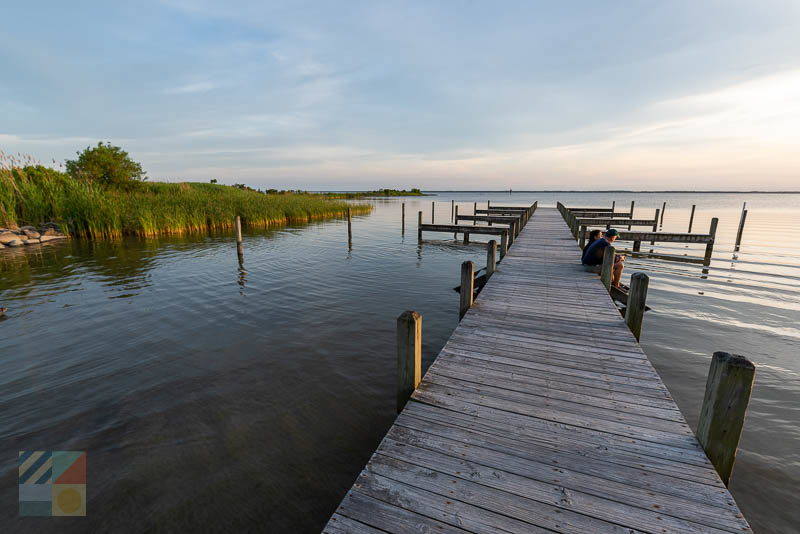
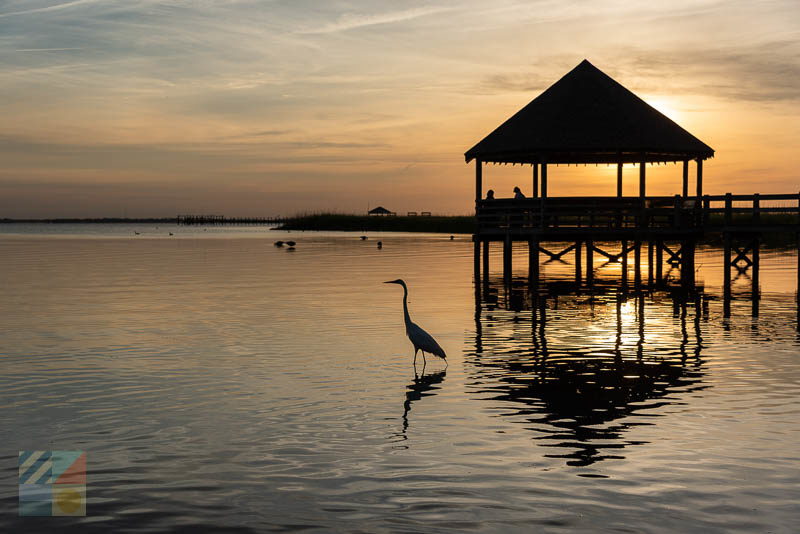
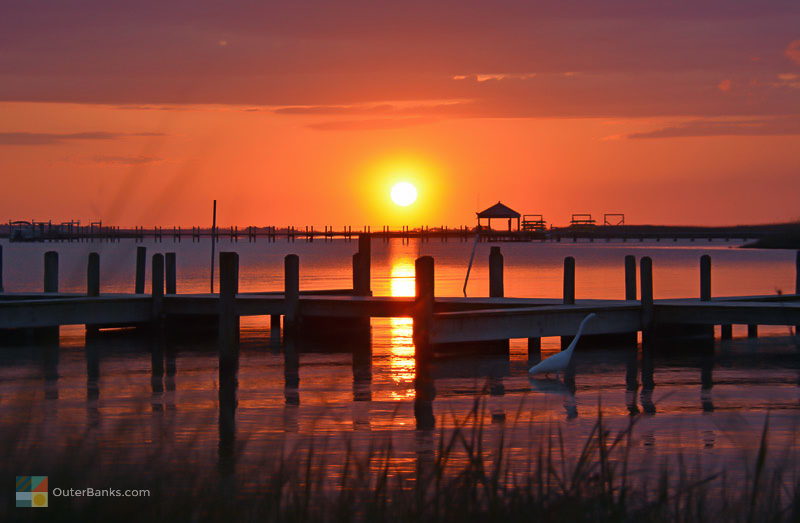



-
Halloween Island - Manteo Charity Bar Crawl
October 15th, 2026 - October 31st, 2026 6:00 PM - 10:30 PM -
Halloween Island
October 13th, 2026 - October 31st, 2026 -
Hatteras Village Haunted Trail
October 29th, 2026 6:00 PM - 10:00 PM
Distinctive, Authentic, Affordable Coastal Furniture & Design. Beach Living Furniture Line • Largest In-Stock Furniture Warehouse on the OBX • Professional Design Services. Transform your home—visit our showroom in Kill Devil...
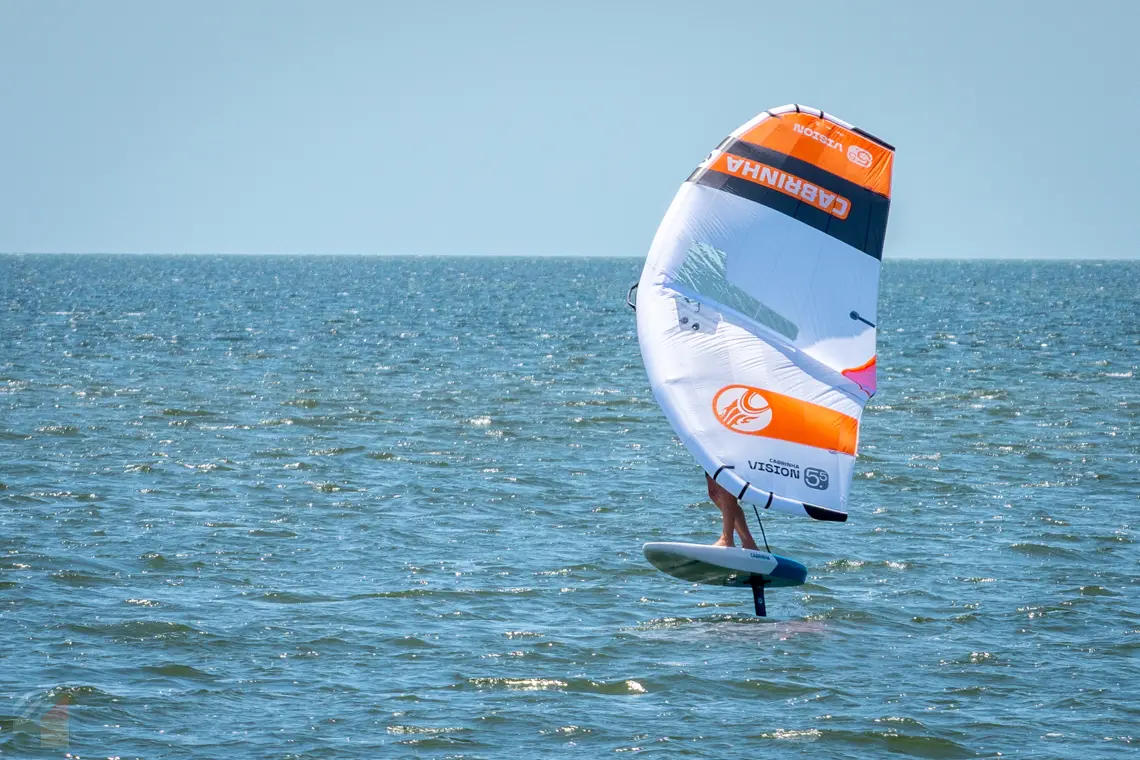
Canadian Hole may be an unfamiliar term to the typical, laid-back Hatteras Islander vacationer, but to windsurfers around the world, the phrase invokes thoughts of an exact, postcard-perfect locale on the Outer Banks, where windsurfing and water...

We are the only Authorized Shipping Center on the OBX for FedEx, UPS and DHL. Come to OBX Shipping Center for all your shipping and office needs. We offer Notary services, copies, faxing, laminating, among other office services. You do the...

The Ocracoke Island Lighthouse may not be the most imposing of the Outer Banks lighthouses, but as North Carolina's oldest lighthouse in operation, (and the second oldest in the United States), it is certainly one of the most beloved. At just 65...

Discover gifts, garlands and glittering lights galore. Looking for a trinket for someone who has everything? Choose ornaments for every hobby, occupation, occasion or enthusiast; from the fisherman or Disney lover; dancer or photographer. Throughout...

Swimming is a local sport that never goes out of style on the Outer Banks, and with literally miles of ocean and sound waters to paddle around, there's no shortage of refreshing locales to enjoy a dip. Vacationers will find they have their choice of...

Serving our customers on the Outer Banks since 1994, Big Buck's ice Cream is dedicated serving you “The Best.” We offer a full line of super-premium ice cream products, smoothies, chocolates, and custom-made ice cream cakes! 2 locations...

Here is a list of some of our favorite beach toys for kiddos. We gravitate to unique, high-quality toys that inspire creativity. Some of these toys are classics, and some add a twist.
On the Outer Banks, it's easy to throw in a little education in with a vacation filled with fun, adventures, and new explorations.

Wild Horse Adventure Tours has been voted the #1 tour company in the USA by TripAdvisor. Feel the ocean breeze and taste the salty beach air as you cruise the Outer Banks beaches in our exclusive OPEN AIR, 13-passenger Hummers with one of...

When most Outer Banks visitors think of Nags Head, they imagine a classic beach town filled with warm sunny days, crashing ocean waves, and miles of beaches, shops, restaurants and all the attractions that inherently come standard with an...

Brindley Beach Vacations offers premier Real Estate and Property Management services across the entire Outer Banks. Representing more than 450 vacation rental homes, we proudly serve every region—from the southern beaches of Hatteras Island...
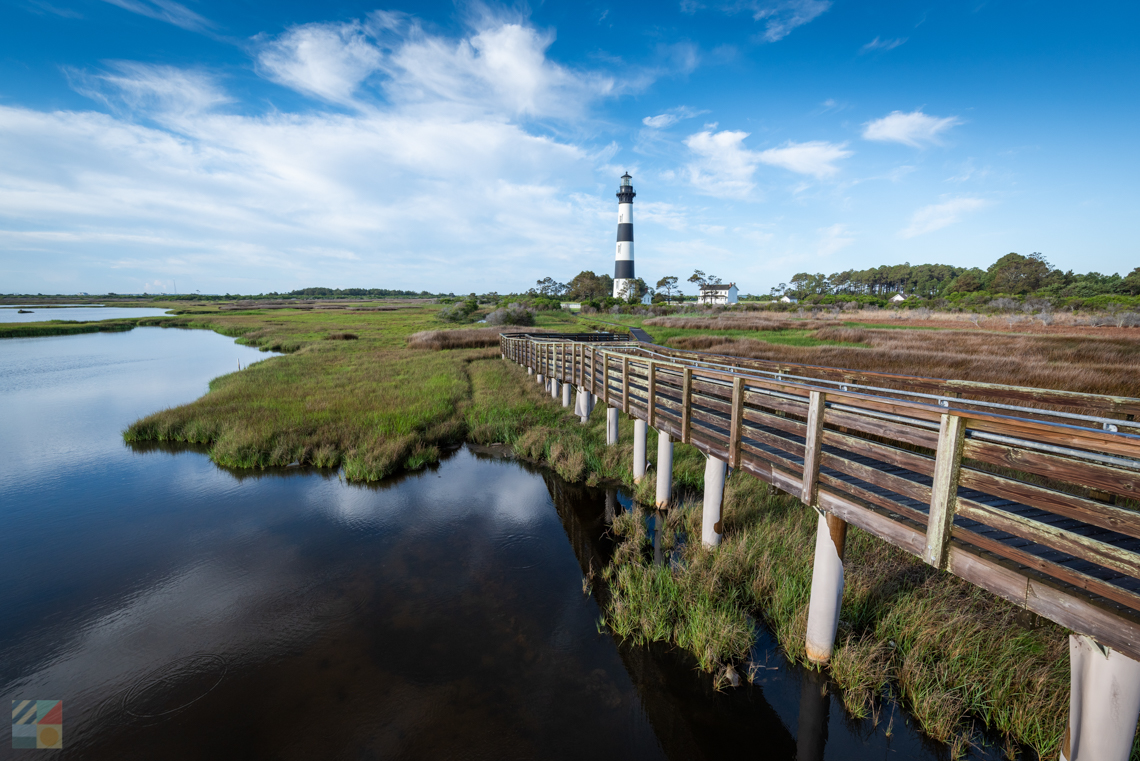
Bodie Island tends to cause a lot of confusion, for both the pronunciation of its name as well as its precise location. This small strip of the Outer Banks doesn't get a lot of attention, and most North Carolina visitors simply pass through the area...