


For bird lovers, the Outer Banks is hard to beat. This delicate chain of barrier islands is not only home to dozens of different native shorebirds, but also thousands of migrating birds who make a rest stop on the Outer Banks every year. Add to this the fact that the islands have hundreds of miles of deserted beaches, maritime forest, and marshlands for species to quietly flourish, and it's clear that the Outer Banks is literally for the birds.
As a result, bird watching on the Outer Banks is a particularly popular pastime with the flip-flops and binoculars crowd, and the Outer Banks is nationally recognized as one of the best birding locales on the East Coast. With a number of North Carolina state birding trails, and an annual bird watching week-long festival, it's clear that Outer Banks bird watching isn't taking off anytime soon.
On your next beach vacation, take out the guide book and the camera, and hit the trail or the beach to see what all the fuss is about.
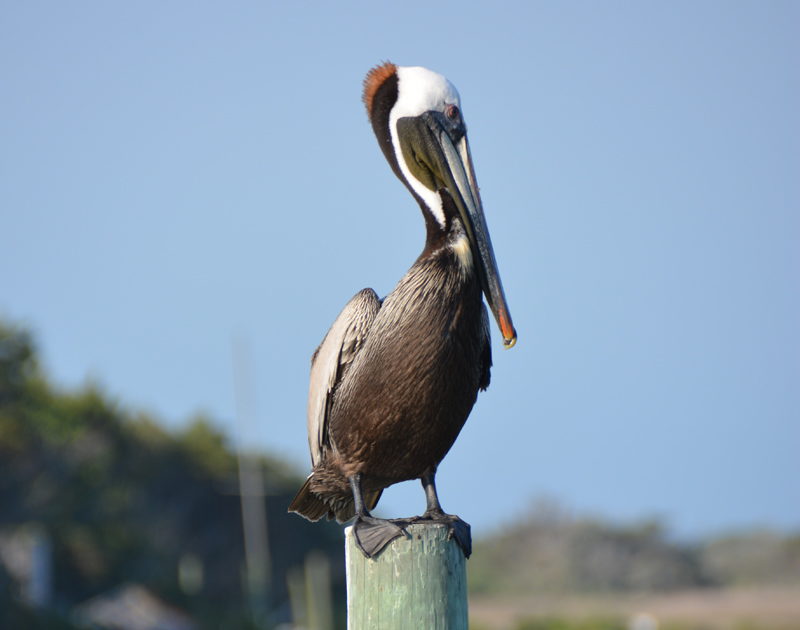
The North Carolina Birding Trail
In 2003, birders from across the state began to pool their knowledge base of the best local and regional trails, and developed the North Carolina Birding Trail. Just 6 years later, the comprehensive network of trails span across the state, from the mountains to the coast, and a number of the North Carolina Birding Trail's most beloved sites are located on the Outer Banks.
In total, there are five sites on the Outer Banks that are recognized as significant portions of the birding trail, and considered some of the best spots in North Carolina for birders to flock. The following birding trail locations are worth a visit on your next Outer Banks vacation, and represent local birding at its finest.

The Elizabethan Gardens
Though the Elizabethan Gardens may be better known to horticulturists than birders, the 105 aces of greenery, including loblolly pines, magnolias, holly, and live oaks, attracts nearly 175 different species of birds every year.
The Elizabethan Gardens is a nature lover's paradise with a wide variety of seasonal flora and fauna for visitors to discover all year long. Paying homage to the Elizabethan Era roots of Roanoke Island, the gardens feature a sunken sculpture garden, a Queen's Rose Garden, and assorted historical markers and statues scattered amidst a variety of local North Carolina foliage.
Like the plant life that changes seasonally, from flowering hydrangeas in the summer to camellias and magnolias in the winter, the variety of birds that can be spotted at the Elizabethan Gardens changes regularly too.
Many birders attest that spring and fall are the best seasons to visit the Elizabethan Gardens. In the early spring months, visitors can listen for the calls of a number of migratory birds, including a variety of warblers, vireos, and other migrants. These birds make a seasonal return again in the fall, along with Tanagers, grosbeaks, orioles, and thrushes.
The gardens are also home to a variety of summer breeders including the Yellow-billed Cuckoo, Woodpeckers, and Great Crested Flycatchers, and even winter visitors will not leave disappointed. Thanks to the temperate year-round climate on the Outer Banks, winter guests can always spot loons, grebes, diving ducks, pelicans and terns, especially along the soundfront paths and gazebos, and even Ruby-throated Hummingbirds make occasional appearances during the colder months.
The Elizabethan Gardens are open to nature lovers of all kinds year-round, from 9:00 a.m. to 5:00 p.m. Be on the lookout for special birding programs, which are offered sporadically throughout the year. Programs can include special guided tours or even watercolor classes to capture local species on paper. A small fee is charged for admission, and a gift shop and plant store are also on the premises for souvenirs to take back home.

Roanoke Island Marsh Game Land
The Roanoke Island Marsh Game Land birding trail is located a little off the beaten path, on the outskirts of the village of Wanchese. Travel on NC 345 for a half mile past the 64/264 intersection, and you'll spot a small parking area that leads to the game land entrance. Here, birders can explore the .3 mile walking trail that loops around the area and boasts views of a 40-acre marsh, while acting as a temporary home for a number of local and migrating waterfowl.
During the wintertime, birders can spot a number of local showstoppers including the large white Tundra Swan, Mallards, Gadwalls, American Black Ducks, Northern Pintail, and American Widgeons. In the summertime, visitors can spot elegant Glossy and White Ibis, Osprey and other wading birds parading along the marsh. These birds congregate along the small tidal pools in the area, and when the water is low, a number of shorebirds flock to the area as well.
Open to everyone, year-round, this little known birding trail is a great spot for birders who want to explore the lesser-known locales for North Carolina birding.

Jockey's Ridge State Park
The Jockey's Ridge State Park in Nags Head may be best known for its exceptional hang gliding, windsurfing, kite boarding and nature trails, but for birders, this park is a paradise in North Carolina's central Outer Banks.
As home to the highest sand dunes in the Eastern United States, Jockey's Ridge has a unique hot and dry habitat that offers one of the most unique ecosystems on the Outer Banks. In the late summer and early fall, a number of migrating songbirds take advantage of the landscape and can be spotted along the dunes, as well as in the well-marked nature trails that wind through the park to the Albemarle Sound and back.
Exploring the shrubs and sparse landscapes bordering the dunes can yield a quick spotting of flycatchers, warblers, and sparrows, and a variety of waterfowl, including threatened American Oystercatchers, which set up camp in the waterfront areas of the park in the wintertime, when visitors are sparse.

Jockey's Ridge State Park is open year round, with seasonal hours that fluctuate during the summer months. Parking is available at the visitors' center near the entrance, as well as by the soundside access.
Bodie Island Lighthouse in the Cape Hatteras National Seashore
The Outer Banks is home to four lighthouses, and the black and white striped Bodie Island Lighthouse and surrounding marshy areas is one of the best spots for Outer Banks birders. Located on the Cape Hatteras National Seashore in between Nags Head and Oregon Inlet, this remote area is filled with undisturbed wet lands, salt marshes, maritime forest and beaches, and as a result, attracts a spectrum of local and migrating birds.
While visiting the lighthouse, trek across the wide grassy lawn to a viewing platform overlooking a large saltwater marsh. Here, birders can spot a number of wading birds, as well as American Avocet, Least Terns and other terns, Black Skimmers, and many seasonal waterfowl.

In addition to the Bodie Island Lighthouse viewing platform, visitors can explore a .25 mile nature trail which winds from the visitors' center to a freshwater pond. South of the main visitors parking area is another trail, the Bodie Island Dike Trail, which is nearly a mile in length. Seasonal birds make regular appearances on both of these trails, and birders should be on the lookout for Whimbrel, Red Knot, and Plovers in the shoulder seasons, skimmers, Least, and terns in the summer, and lots of waterfowl, such as loons, scoters and Northern Gannet in the winter months.
On the outskirts of the Bodie Island Lighthouse, along this 10 mile stretch of NC Highway 12, birders can also visit a number of desolate viewing platforms stationed all along the soundside. Quiet and unpopulated, birders will love feeling like they have this stretch of the Outer Banks all to themselves, giving them exceptional opportunities to relax and quietly enjoy the wildlife.

Pea Island National Wildlife Refuge
The Pea Island National Wildlife Refuge is considered one of the best gems on the North Carolina Birding Trail. Arguably the best birding location in the state, if not the East Coast, the refuge is more than 5,000 acres in area, and is the temporary home to nearly 400 different species of migratory birds.
Maintained by the US Fish and Wildlife Service, birders will find a number of nature trails that wind through the refuge, offering unparalleled views and access to one of the state's largest managed waterfowl impoundments. These trails also snake through areas of salt marshes, beaches, and maritime forest, giving a seasonal habitat to a variety of different species.
The list of species that call the Pea Island National Wildlife Refuge home is virtually endless, but some notable residents include Snow Geese, Tundra Swans, Piping Plovers, Horned Grebes, Black-necked Stilts, and American Avocets.
The spring and fall seasons are considered prime birding time at the refuge, and birders can spot Black Skimmers, Avocets and Stilts, as well as occasional Long-billed Curlews, and other migrating birds that are generally rare to North Carolina.
Winter, however, has its own unique charm as thousands of snow geese and tundra swans cover the saltwater ponds and marshes of the refuge, their white feathers thick with sandy mud. Canadian geese also make regular appearances at the refuge, as well as the incredibly rare but beautiful white pelicans, who make a brief appearance during February or March.
A small visitors center at the Refuge, open seasonally and dependent upon staffing, can guide birders on what species to look out for, and the parking area facilities also include restrooms and a refuge map. Because the Refuge itself literally spans 13 miles, from the Herbert C Bonner Bridge to the outskirts of Rodanthe, birders will find an endless terrain to explore. And with so many different species making frequent appearances, the Pea Island National Wildlife Refuge is one spot on the North Carolina Birding Trail that avid birders frequent again and again.
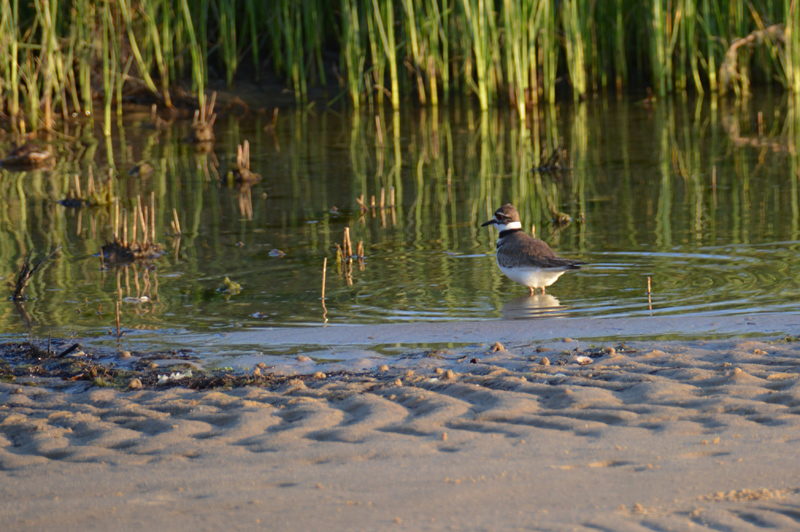
Other Birding Locations
Corolla and Carova
The Currituck National Wildlife Refuge, which borders the town of Corolla as well as the 4WD areas of Carova and Swan Beach, is a 4,000 acre parcel of land that encompasses all aspects of the Outer Banks landscape, including maritime forests, saltwater marshes, deep shrub thickets, and coastline.
As a result, this large parcel of land is home to a number of shorebirds, waterfowl, and migrating species year-round. Access is relatively limited, and a 4WD vehicle is required to explore the northern portions, but birders will be rewarded with a number of species to check off their list. In addition to the wading birds, waterfowl, shorebirds, and raptors that are commonly found, the rare piping plover can often be spotted as the refuge is a protected home for this species. Come with a sense of adventure, plenty of water and supplies, and in the summer months, plenty of bug spray. Because the refuge is so remote, visiting birders will want to be sure they are well prepared.
Duck
There's a reason the town is named "Duck." For over a century, hunters flocked to this area for the exceptional waterfowl that frequent the town, taking up residence in the small ponds and wide soundfront beaches, and today, the influx of birds is not much different (but without the hunters.)
Bird watchers in Duck can head to the 11 acre town park, which features a long boardwalk leading out to the Currituck Sound and an observatory platform where a number of shorebirds take roost. Here, birders can spot pelicans, oyster skimmers, terns, geese, and yes, even duck, on the perimeter of the town's maritime forest.
Vacationers staying in the area's vast soundside communities may have ample birding opportunities right off of their back porch. The unique combination of maritime forest abutting the Atlantic Ocean, with limited development in between, provides prime birding opportunities for Outer Banks visitors. From the shaded woods to the shore, there are plenty of birds who take up annual and seasonal residence in Duck.
Buxton and Frisco Woods
The Outer Banks largest swath of maritime forest is also home to a number of year-round bird species, including birds that are normally seen on the mainland such as Cardinals, Gray Doves, sparrows, owls, and even an occasional Blue Jay. Hawks, in particular, love this region of the Outer Banks for its abundance of small mammals.
The trails along this area are ill-defined, but are certainly worthy of exploring. A seemingly randomly placed trail can lead visitors through large thickets of maritime forest, sandy path around the area's freshwater ponds, and even across towering sand dunes that have stood on Hatteras Island for centuries.
A good starting point is the trail a half mile past the Cape Hatteras Lighthouse, close to the Cape Point 4WD access, or on Water Tower Road in Buxton, where small sandy parking areas border miles long makeshift trails through the woods. Exploring is at its best in the winter and shoulder seasons, when the trails are virtually deserted, the wildlife is at its peak, and the mosquitos are long gone.
Ocracoke
As a narrow strip of land bordering the Pamlico Sound and the Atlantic Ocean, there are plenty of birding opportunities on Ocracoke Island. Visitors can head to the well-defined nature trails of Springer's Point in Ocracoke Village, explore the grounds of the Ocracoke Island Lighthouse, or explore the numerous parking areas and pull-offs on the 13 mile stretch of ocean and soundside NC Highway 12 that leads from the ferry docks to the village.
One such area, a small parking lot on the soundside roughly three miles outside of the village, offers a phenomenal birding trail that winds through the maritime forest to a small soundfront platform and observation area. Here, visitors can enjoy watching a number of seasonal and year-round shore birds, including snow geese, pelicans, wading birds, ibis, and even an occasional great blue heron. Because of its proximity to the marshy and woodsy areas of Ocracoke Island, this stretch attracts a lot of feathered visitors.
On the oceanside, visitors can head to either the Hatteras or Ocracoke Inlets for a rare opportunity to spot dozens of Oyster Catchers enjoying the scenery. These orange beaked locals, named for the way they "skim" the ocean's surface in search of food, are abundant on Ocracoke, and can be spotted with regularity at both inlets, as well as deserted beaches all along Ocracoke Island.
Regardless of where a birder heads first to explore, with a populated area of 4 square miles and less than 1000 year-round residents, it's clear that quiet little Ocracoke Island is for the birds.
Wings Over Water Festival
For birders, the annual Wings Over Water is the pinnacle of birding on the Outer Banks. The week-long collaboration of educational sessions, guided nature walks, and mingling events celebrates Outer Banks birding at its best.
The majority of activities take place at the Pea Island National Wildlife Refuge, widely considered one of the best birding destinations on the Outer Banks. On the schedule are a variety of seminars, educational sessions, and "field" trips to some of the best birding locations on the East Coast. Sessions and seminars can range from hour long talks, to identification or photography classes, to all day excursions to the Alligator River Refuge, Mackay Island Refuge, or other neighboring Outer Banks bird sites.
Special interest sessions can focus on photography, canoe or kayak tours, or nature walks through some of the Outer Banks' most bird-friendly areas.
The event is clearly family friendly, and typically ends a full day of sessions with evening walks through the refuge, or family Eastern Carolina BBQs where attending bird lovers can swap stories of the day's events.
All of the sessions available, from discussion forums to boat trips to Pelican Island, can be registered for ahead of time. Most sessions require a moderate fee, and are open to a limited number of people, so it's best to sign up early. The festival is generally held in the fall, when migratory birding is at its best, and festival promoters can help attendees find food, lodging and other Outer Banks amenities.
For more information, or to make your reservations for the next Wings Over Water festival, visit the festival website.
The Outer Banks is wild with thousands of different birds passing through or taking up residence on its sandy shores, and as a result, thousands of bird watchers flock to the area every year. Thankfully, with miles of beach, marshland, and maritime forest to explore, there are plenty of quiet locations to sit back, break out the binoculars, and introduce yourself to the Outer Banks' most popular feathered visitors and local residents.
With plenty of trails to explore, thousands of species to spot and identify, and an annual festival for bird lovers from across the country, bird watchers are sure to enjoy an Outer Banks vacation gone wild.

-
Halloween Island - Manteo Charity Bar Crawl
October 15th, 2026 - October 31st, 2026 6:00 PM - 10:30 PM -
Halloween Island
October 13th, 2026 - October 31st, 2026 -
Hatteras Village Haunted Trail
October 29th, 2026 6:00 PM - 10:00 PM

ZoomAround Street Legal Golf Cart Rentals provides our communities and our visitors with fun, safe and convenient access to innovative transportation while providing an unparalleled customer experience. Don’t carry all of your beach gear...

We love to highlight some of the best and most interesting Outer Banks restaurants, shops, attractions and activities. Read on to discover some of our favorites!

Sundogs is a happening spot open year round in Corolla. Along with good food, they feature a nightlife that includes Karaoke and Silent Disco! They have a full bar and a menu suited to a host of tastes. Starters include nachos, crab dip, wings and...
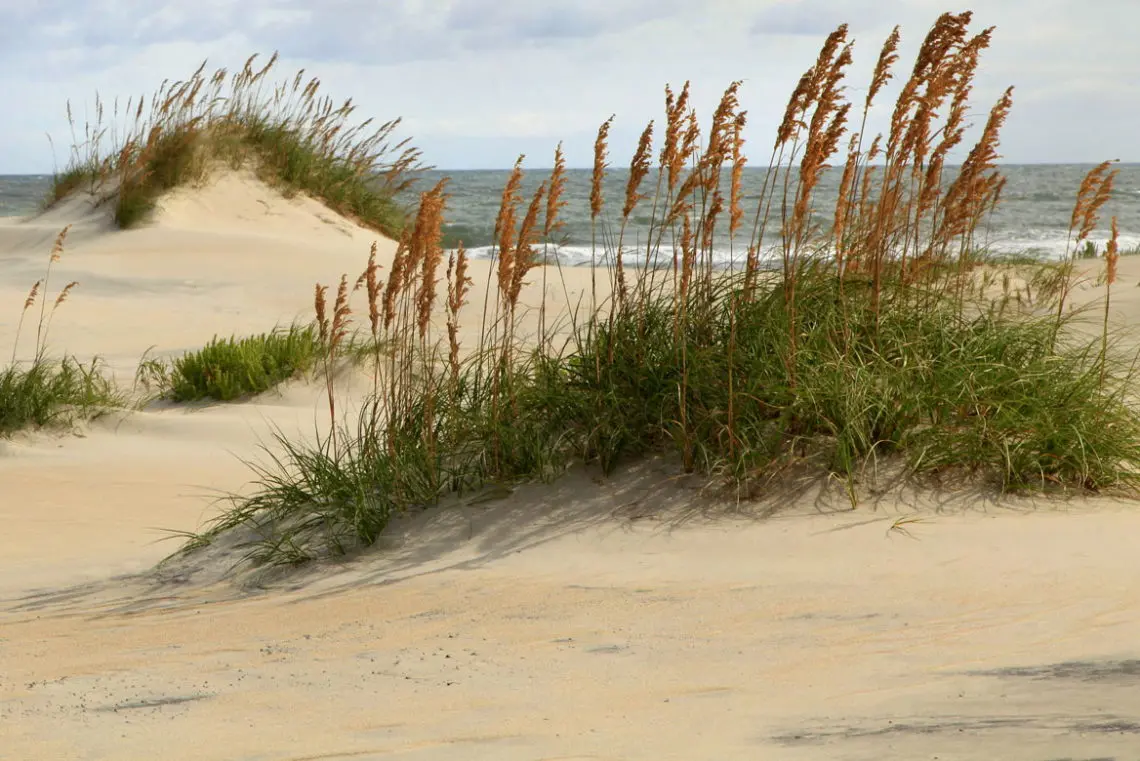
Visitors to Hatteras and Ocracoke Islands will simultaneously be visiting the gorgeous Cape Hatteras National Seashore. One of the largest preserved parcels of the Outer Banks, the National Seashore stretches across 70 miles of shoreline...