


Duck Guide Sections:
- Where to Stay
- Attractions
- Beach Guidelines
- Activities
- Restaurants
- Shops
- History
- The Landscape
- Tips
- Frequently Asked Questions
- Photos
Duck Listings
The little town of Duck has garnered quite a reputation as one of the best vacation spots on the Outer Banks. Regularly appearing on a number of national Best Beaches' lists, (including the Travel Channel's best beach directory), Duck features all the elements of a fantastic Outer Banks vacation destination. Enjoy waterfront access on the ocean and soundside, sublime shopping and dining, and plenty of hiking, surfing, kayaking, kiteboarding, and beach space to go around. Despite bordering the larger Outer Banks towns of Southern Shores, Kitty Hawk, and even Corolla, Duck retains its small town quirky character and distinctive draw to vacationers from all around the country.
Where to Stay in Duck
Most vacationers opt to rent a home during their Duck vacation. Dozens of Outer Banks property management companies represent vacation rentals in the area, so the selection of homes varies greatly. Visitors can opt to stay in a soundfront or oceanfront home with a private pool, hot tub, game room, or theater room, or spend their vacation in a smaller, modest beach box, tucked away under the Live Oaks.
Vacation Rental Companies
Vacation rentals in Duck generally fill up fast, but many rental companies allow reservations up to a year in advance, so booking your vacation early is easy to do. A number of companies even allow visitors to "reserve" their favorite beach home for the same time the following year while on vacation, allowing guests to have first dibbs to their favorite vacation properties. Be sure and book early, and be prepared to stay for at least a week, as unless it is a last minute reservations, most homes are only rented from Friday to Friday, Saturday to Saturday, or Sunday to Sunday. The good news is that you'll surely savor every day that you're on your Duck vacation. Vacation Rental companies offering homes in Duck include:
KEES Vacations offers the best Outer Banks rentals for family vacations, romantic weekend getaways and groups of all sizes looking for the perfect OBX rental for their stay. When booking with KEES Vacations, travelers can expect excellence in service and a one-of-a-kind OBX vacation experience. We've got your perfect Nags Head vacation rental, oceanside escape in Corolla, or oceanfront beach house in Kill Devil Hills. Call 866-316-1843 or visit www.keesouterbanks.com

Brindley Beach Vacations offers premier real estate and property management services on the entire Outer Banks. Representing more than 600 vacation rental homes, Brindley Beach caters to all regions from the south beaches of Hatteras Island, Frisco, Buxton, Avon, Rodanthe, Waves, Salvo, to Nags Head, Kill Devil Hills, Kitty Hawk and north to Southern Shores, Duck, and Corolla, as well as the 4WD area of Carova Beach. As a result, vacationers will find a wide range of homes or lots to choose from, from sunny condos with a host of amenities to massive sandcastles on the edge of the beach.

Atlantic Realty has been helping families create Outer Banks vacation traditions for almost 40 years. Our wide variety of rental homes and condos are sure to fit every family's style, size, and budget. All of our OBX vacation homes are well maintained with attention to detail, a superior housekeeping staff and on-staff maintenance - ensuring that your vacation experience is fantastic year after year.

Beach Realty & Construction Quality Outer Banks Vacation Rentals since 1964. Beach Realty & Construction / Kitty Hawk Rentals offers over 450 rental homes in 4x4 Carova Beach, Corolla, Duck, Southern Shores, Kitty Hawk, Kill Devil Hills & Nags Head. Oceanfront to Sound front, 2 – 9 bedrooms and many offer private pools, elevators, keyless entry, linens & pet-friendly! Weekly, partial week & long term rentals available! Call us: 800.635.1559... www.beachrealtync.com

Joe Lamb Jr. and Associates Since 1968, our family owned and operated company has offered families just like yours a wide selection of Outer Banks vacation rentals in beach communities and towns of Duck, Southern Shores, Kitty Hawk, Kill Devil Hills, Nags Head and South Nags Head. We invite you to view our brilliant photos, detailed property descriptions complete with amenity lists and maps. www.joelambjr.com

Twiddy & Company's vacation rentals are the perfect place to reconnect with family and friends and we offer the biggest selection of any company in the northern Outer Banks. From expansive oceanfront rentals to peaceful soundfront homes our Outer Banks vacation rentals allow you an infinite variety of vacation experiences. For more information, visit www.twiddy.com or call 252-457-1100.

Outer Banks Blue - Since 2005, Outer Banks Blue has delivered exceptional vacations for OBX visitors. Our family-owned and locally managed rental company focuses on service and promises “a relaxing experience with a local touch.” Turn your dream vacation into a date on the calendar by choosing from 250+ meticulously maintained rental houses in Corolla, Duck, Southern Shores, Kitty Hawk, Kill Devil Hills, and Nags Head. Call us at (252) 255-1220 for assistance in finding the perfect vacation home.

Resort Realty offers premier Outer Banks vacation rentals from Corolla to Hatteras Island. Choose from a wide range of vacation rentals from small, classic beach boxes to luxe, lavish oceanfront homes. Resort Realty has a vacation home for everyone. Browse our website at www.resortrealty.com or give us a call at 800-458-3830 and our vacation specialists will be happy to help you find the perfect home!

Sun Realty offers the largest selection of rentals in the Outer Banks. Choose from a wide range of amenities, including private swimming pools, hot tubs, theater rooms, game rooms, pet friendly lodging and more. Our properties span the entire OBX coast including Carova, Corolla, Duck, Southern Shores, Kitty Hawk, Kill Devil Hills, Nags Head, and South Nags Head. On Hatteras Island, we proudly offer beach cottages in all villages... www.sunrealtync.com

Carolina Designs Realty represents 350+ select Outer Banks vacation rentals from Corolla to south Nags Head. Browse 4-30 bedroom homes, including oceanfront, private pool, and pet-friendly options. Many homes provide elevators, rec rooms, home theaters, hot tubs, and more. Every stay includes keyless entry, freshly-made beds, and a local team behind your vacation.

Southern Shores Realty Offering over 350 homes from Corolla to S. Nags Head, the Outer Banks Experts at Southern Shores Realty make it easy to find the perfect vacation rental! Proudly operating since 1947, we are family owned business that serves Outer Banks visitors and locals. Whether you are looking for an oceanfront luxury rental or an affordable place to hang your hat, we make finding the perfect home as simple as it should be... www.southernshores.com

Hotels
Duck Attractions
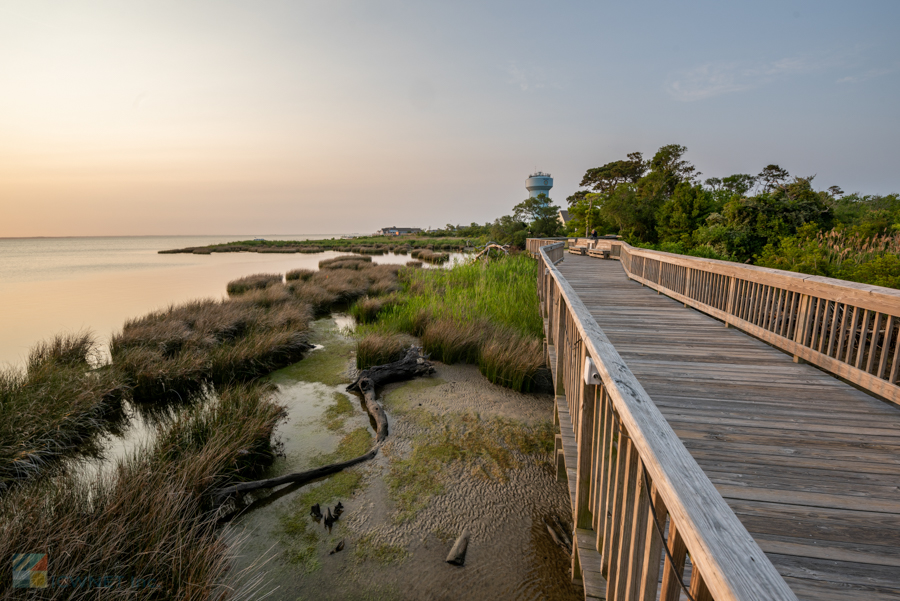
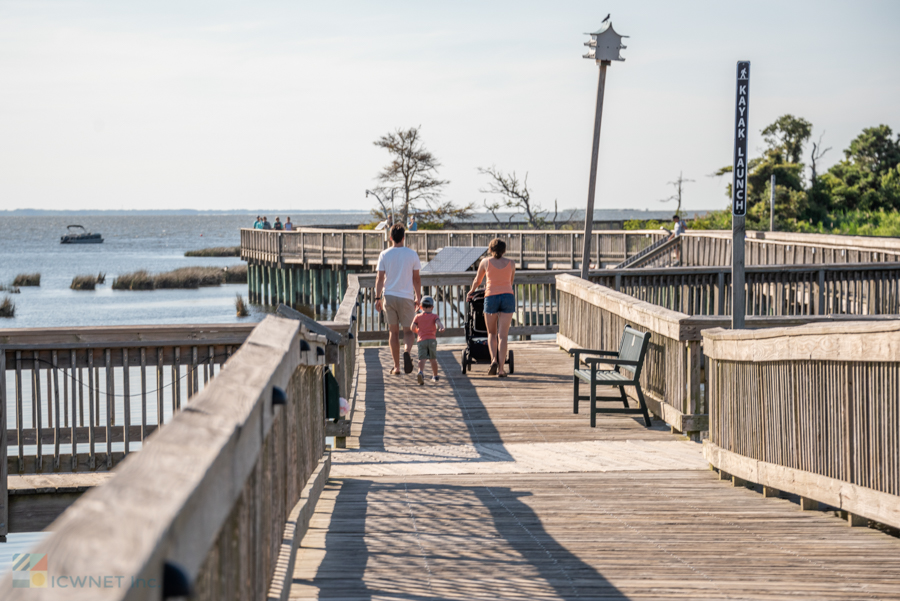
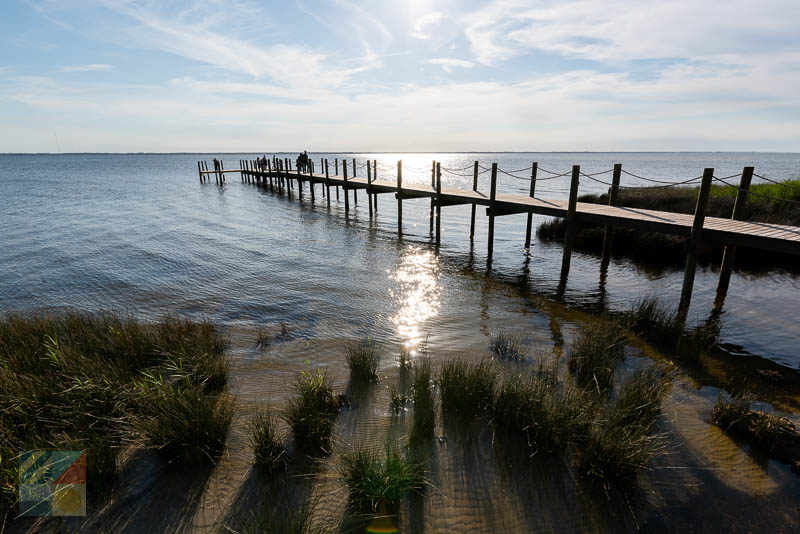
Duck Town Park and Boardwalk - This 11 acre park in the heart of Duck offers Maritime forest, willow swamp, an open lawn with ampitheatre and public shelters, and a beautiful over-water boardwalk winding along the Currituck Sound. The Duck boardwalk is a wonderful place to view a soundside sunset. It also links several boutique shopping centers.
The Beach - The beach in Duck is public and open to everyone, there are no public beach access points. Most rental homes and communities offer private access, so if you are staying in Duck, beach access shouldn't be a problem. Here are some things to know about Duck beach policies:
- Dogs are allowed on the beach year-round, unleashed (although leashes are recommended). Owners must keep their dogs under control at all times.
- Fireworks and beach bonfires are not permitted in Duck.
- Beer is allowed on the beach, but no bottles. Wine and liquor are not officially permitted. Please drink responsibly.
- Metal detecting is allowed.
- Red flags = no swimming. When you see red flags flying, dangerous conditions are present and swimming is prohibited.
- It is illegal to walk on the dunes, and it is also illegal to pick live sea oats growing on the beaches.
- Fill in any holes you dig. Holes in the sand can be a hazard.
- Be mindful of Noise. Most communities consider a violation of the noise ordinance to be any sound that can be heard from inside a nearby residence, and any load noise after approximately 11:00 p.m.
- No glass on the beach. Be mindful of glass bottles. Alcohol is allowed on all beaches, but if at all possible, stick to cans and plastic to save future beach-goers from any bare foot injuries.
- Surf fishing is allowed. A fishing license is required in North Carolina and can be obtained before your vacation via the NC Marine Fisheries and Wildlife website, or a fishing license can be purchased at most any tackle shop on the Outer Banks.
- 4x4 Driving on the Beach - There is no public 4x4 access in Duck. Private access allows vehicles vehicles on the beach between October 1 - April 30.

Popular Duck Activities
If you can pull yourself away from the pristine beaches, which offer seasonally warm temperatures, decent surfing and shelling, and plenty of room to stretch out, you'll find lots of places to explore in Duck.
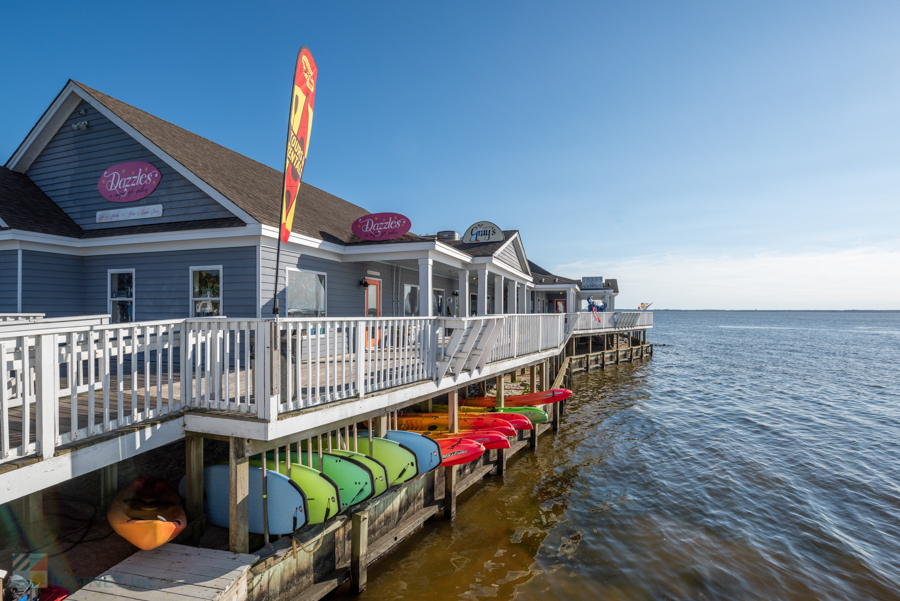
- Shopping - One of the largest draws to Outer Banks visitors is the fantastic collection of locally owned shops in the center of Duck. The stores are arranged in a series of low-key, coastal shopping complexes, and are close enough to each other that it's easy to park the car and explore all the stores on foot. Visitors will be delighted to find a number of local art galleries, gourmet markets, surf shops, clothing boutiques, and funky gift stores for some of the Outer Banks' best shopping opportunities.
- Restaurants - Duck is also home to some of the Outer Banks's favorite restaurants. Visitors can take advantage of four star dining while overlooking the Currituck Sound, grab some fresh veggies for a home cooked meal from local produce stands, or pull up to the soundfront docks of local restaurants for a round of tropical drinks and a waterfront sunset.
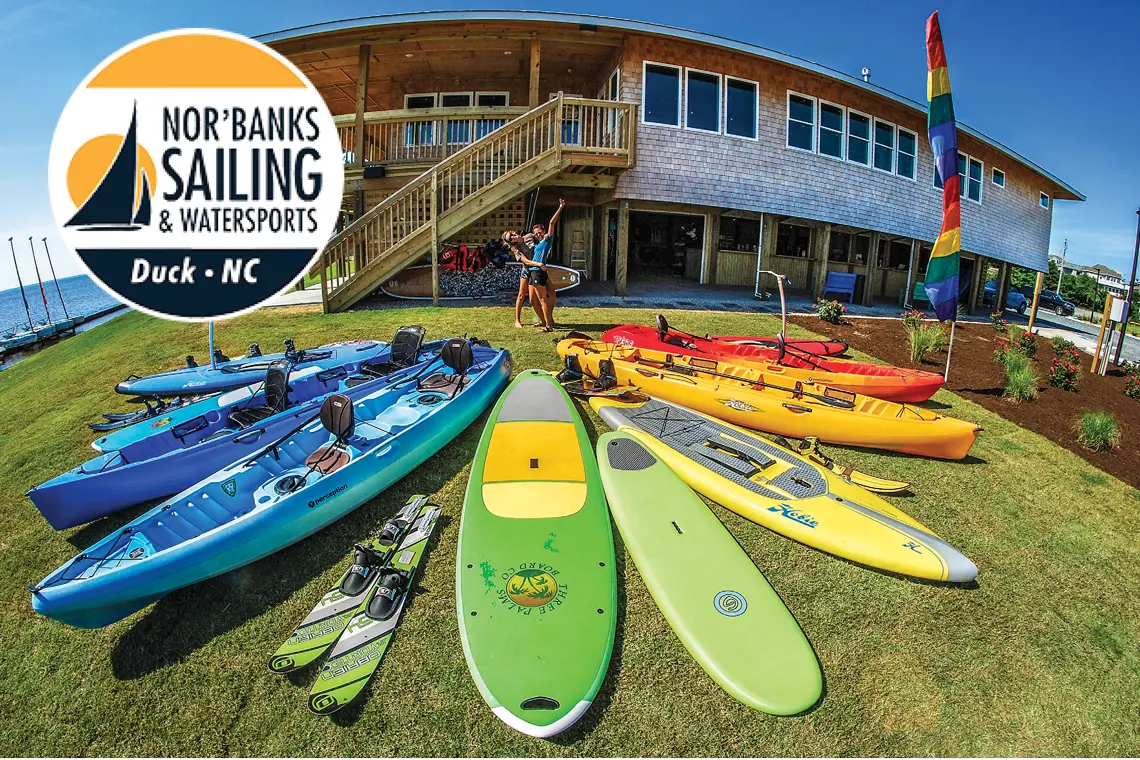
- Watersports - Because of Duck's ocean and sound borders, water sports are a must for any Duck vacation. Local businesses offer rentals and lessons for a number of beach sports, allowing everyone in your group to try something new. Rent an ocean kayak or enjoy a guided sound kayak tour, spend a couple afternoons learning how to surf, kiteboard, or stand up paddleboard (also known as SUP), or rent a Jet Ski for the afternoon and cruise the Currituck Sound. Off the water, visitors can explore the endless walking trails that meander around Duck and take in the lush maritime forest setting. Be on the lookout for Duck natives including dozens of species of waterfowl, like herons, egrets, cormorants, and wild geese.


Duck Restaurants
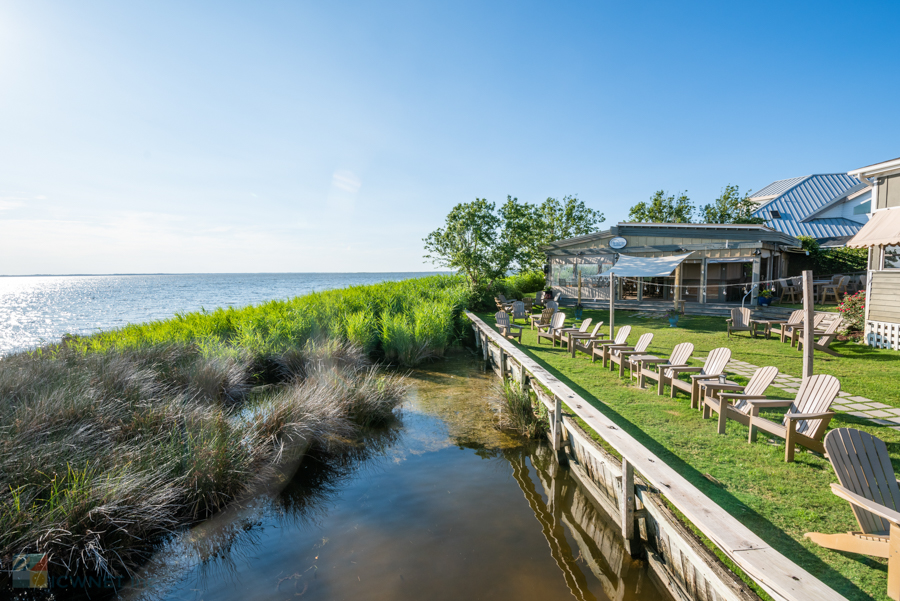
Duck boasts a dynamic restaurant scene that caters to all tastes and preferences. From casual seafood shacks to upscale soundfront fine dining, Duck offers a diverse range of dining experiences. With an emphasis on using locally sourced ingredients and fresh seafood, Duck's culinary offerings highlight the rich history and culture of the Outer Banks. Whether you're looking for a romantic dinner for two or a family-friendly meal with a view, Duck's restaurant scene has something for everyone. Here are a few popular Duck restaurants:


Duck Shops
Duck offers a wide array of boutique shops and specialty stores, many of which are locally owned and operated. One of the most popular shopping centers in Duck is the Scarborough Faire Shopping Village, which boasts over a dozen unique shops and restaurants, including the renowned Duck's Cottage Coffee and Books. Another popular shopping destination in Duck is the Waterfront Shops, which offer a variety of upscale boutiques, galleries, and gift shops with stunning views of the Currituck Sound. Whether you're searching for the perfect souvenir, a unique piece of art, or fashionable beachwear, Duck's shopping scene is sure to delight visitors with its distinctive offerings and quaint charm.





Duck History
Like Corolla, Carova, and the other Currituck County beaches, Duck remained relatively undiscovered for hundreds of years after its initial settlement in the late 1600s. Populated by a small number of resilient locals, and providing little income to Currituck County, the 7 miles of Duck was eventually transferred over toDare County to tend to in the early 1900s.
While Nags Head, Kill Devil Hills and Kitty Hawk were gaining notoriety as beach vacation destinations in the 50s, 60s and 70s, Duck remained isolated and unknown. With no paved roads, just a collection of mud and sand trails that were nearly impossible to travel, there was little interest by regular Outer Banks vacationers in Duck. The area did, however, draw dozens of fishermen and hunters. Notorious for its fantastic waterfowl hunting, locals became fishing or hunting guides to bolster their income, and a small but steady stream of adventurous vacationers flocked to Duck for many years.

In the early 80s, the paved NC Highway 12 was underway throughout the Northern Outer Banks, providing easy access to the area. As developer attention grew in the northern Dare County and Currituck beaches, the county and local governments stepped in to ensure that Duck would retain its small, natural character. In 1984, The North Carolina General Assembly established Duck as a North Carolina Beautification District, and in 1986 the community agreed to develop a seven-mile multiple use trail within the town limits. Development grew slowly in Duck, and over the next few decades, vacation rental homes were built throughout the area, but chain hotels, massive stores, and other large commercial complexes were purposely kept out due to cautious community building restrictions.
The careful planning paid off, as today Duck is a picturesque seaside community with plenty of accommodations and amenities, but not too much clutter. Considering the area's national popularity as one of America's best beaches, it's hard to believe that just a few decades ago, Duck's only visitors were hunters and fishermen in search of, well, ducks.
The Duck Landscape
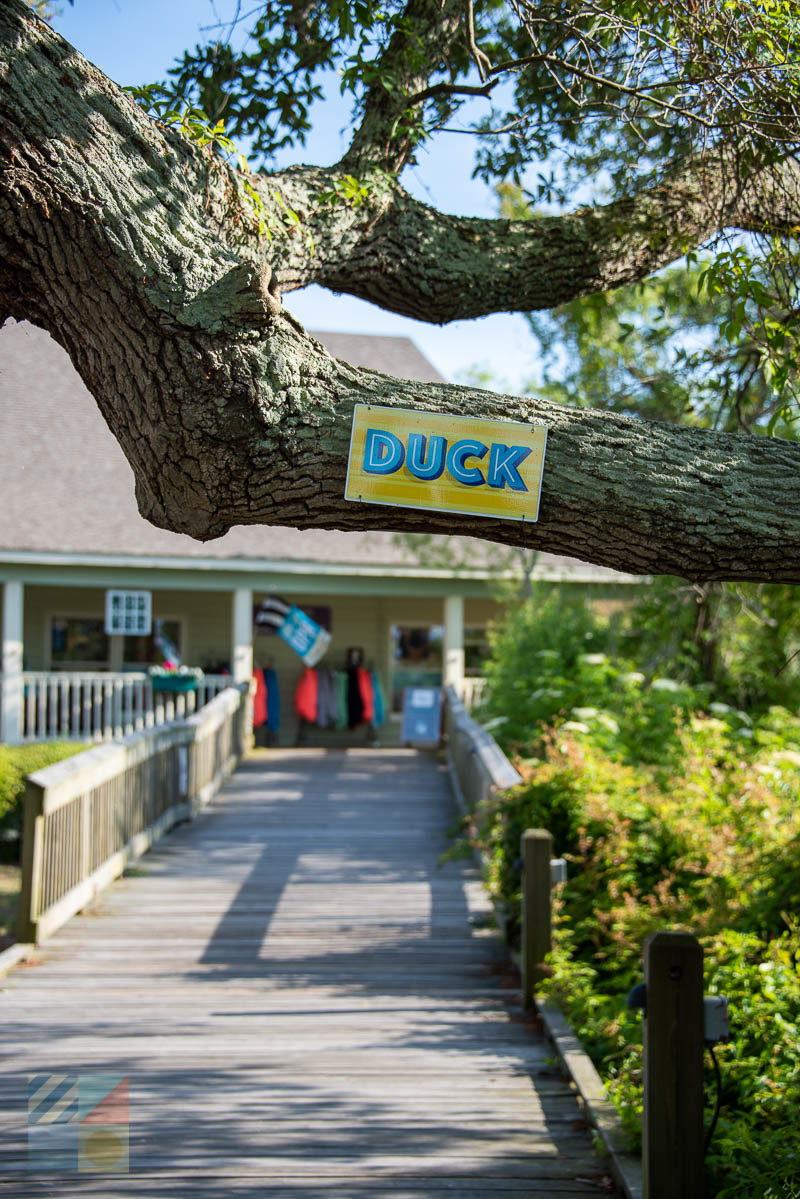
Located on the Northern Outer Banks just past Southern Shores and a few miles north of the busy Outer Banks 158 bypass, Duck is a 7 mile stretch of beaches in the middle of NC Highway 12. Visitors love Duck because of its lovely, natural setting. The Currituck Sound and Atlantic Ocean are buffered by acres of maritime forest, and rental homes, walking paths, shops and restaurants are hidden under centuries old Live Oaks and tall patches of cedars. Like all Outer Banks vacation destinations, the beach is the big draw, and while the beaches are seasonally popular, they are generally quiet strips of sand with no commercial businesses or vehicular traffic to drown out the sound of the ocean.
Visitors are treated to waterfront sunrises and sunsets with miles of oceanfront and soundfront to explore, and the modest collection of rental homes and locally owned businesses provides plenty of places to stay and activity, without interrupting the natural Outer Banks landscape. In fact, all the shops are centrally located with a half mile radius, so visitors can enjoy a little retail therapy on foot.
Tips for Visiting Duck
Vacationers should note that there are no public beaches in Duck, however most all of Duck's communities have private access to the ocean, so hopping over to the beach shouldn't be a problem for vacation rental guests. Be sure and check with your vacation rental company when booking to find out the most convenient beach access for your rental home.
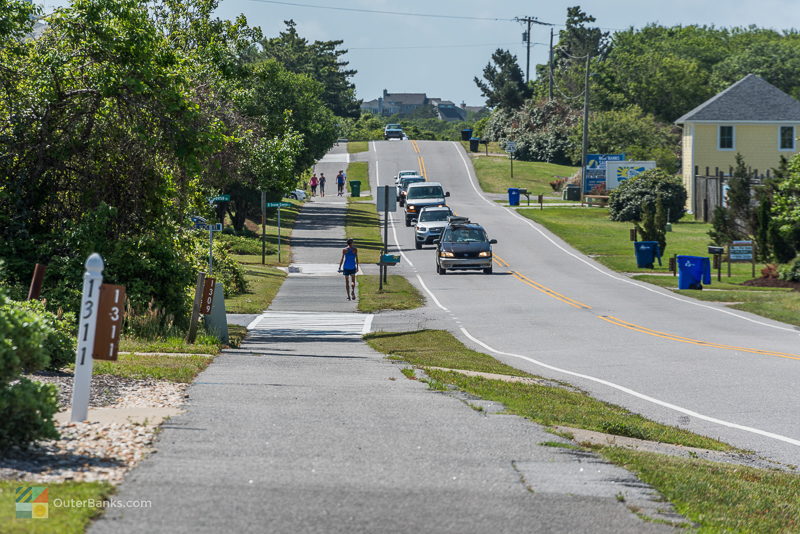
You'll also want to bring a good pair of walking shoes. With so many walking paths around the village and bordering NC Highway 12, and with summer traffic along the two lane highway a minor concern, one of the easiest ways to explore Duck is on foot.
While deciding when to book your vacation, be sure and keep an eye out for upcoming festivals and special events. The community of Duck regularly has seasonal events including wine tastings, tapas crawls, outdoor live music, and special festivals, like the much loved annual Duck Jazz Festival. Held every year at the Duck Town Park and Boardwalk in the fall, the Duck Jazz Festival has become of the Outer Banks' favorite events and features a weekend of renowned local and national Jazz musicians, with plenty of food, drinks, and fun to go around.

For winter visitors, the annual Duck Yuletide festival provides late-night shopping opportunities, one of Duck's famous tapas crawls, and live music performed in the Duck Town Park.
No matter when you come, you'll want to keep an eye on the Town of Duck's calendar of events, because in Duck, community celebrations are always in season.
Duck has developed its reputation as one of the best beaches on the East Coast through decades of careful community planning, and vacationers are welcome to visit and reap the rewards. Offering the very best of Outer Banks' dining and shopping locales, and boasting miles of gorgeous ocean and sound beaches, vacationing families will surely fall in love with Duck's modern amenities and small town atmosphere, intertwined with that signature laid-back Outer Banks style.

Frequently Asked Questions
Where is Duck, NC?
Duck is located in the northern Outer Banks, and is bordered by Corolla to the north, and Southern Shores to the south. It is part of Dare County, and can be reached via NC Highway 12 north.
How do you get to Duck, NC?
Visitors can reach Duck by heading to the central Outer Banks and then taking NC Highway 12 north.
What is there to do in Duck, NC?
Duck is known for its beautiful beaches, as well as its myriad of shops and restaurants. The area is home to a number of charming shopping plazas, a popular town park, and a soundfront boardwalk the follows the Currituck Sound shoreline. The area is a popular spot for beaching, fishing, surfing, and watersports, and Duck is also known for a wide array of events, such as the annual Duck Jazz Festival in October.
Where did the name Duck come from?
The name “Duck” originated from the community’s first postmaster, who coined the name as a tribute to the area’s best feature at the time – its fantastic duck hunting. The name stuck and became official when the town was officially incorporated in 2002, making it the newest town on the Outer Banks.
What are the special events in Duck?
Duck is the host of a number of special annual events, such as the Duck Jazz Festival in October, the Duck 4th of July Celebration, and the Duck Yuletide Celebration in December. In addition, the Town of Duck hosts an array of weekly events in the summer months which includes live music and outdoor movies at the central Duck Town Park.
When is the Duck Jazz Festival?
The Duck Jazz Festival is held every year in October, and is traditionally on Columbus Day Weekend.
Where are the beach accesses in Duck, NC?
Beach accesses can be found in the individual communities and subdivisions in Duck. The Town of Duck does not manage any public beach access locations, and there are no public parking areas at beach accesses, or parking along state roads. Visitors can check with their homeowners’ association or their vacation rental company for specific beach access points.
Are there lifeguards in Duck?
Lifeguard stands are maintained at various locations in Duck throughout the summer, including Caffey’s Inlet, Barrier Island Station, Schooner Ridge Drive, Christopher Drive, and Four Seasons Lane. In addition, lifeguards also patrol the town beaches in the summer months on ATVs.
What are the attractions in Duck, NC?
The Duck Town Park is one of the most popular attractions, due to its outdoor theater, picnic shelter, kayak / canoe launch, and soundfront boardwalk. The Duck Town Park also hosts a number of events throughout the year, such as an October Jazz Festival and weekly outdoor concerts in the summer. Additional attractions include the town center, which is home to a number of shopping plazas and restaurants. Duck has also been named one of the best beaches and / or family vacation destinations by Travel Channel, USA Today, and US News and World Report.
Are there shops and restaurants in Duck, NC?
Duck is famous for its distinctive shopping and dining scene, which is concentrated in the center of town. Visitors can park and easily walk to the various shopping plazas and restaurants at expansive public parking areas.
Where do you stay in Duck, NC?
Most visitors opt to stay in vacation rental homes or condos, which can range from one or two bedroom units to 10 bedroom or more vacation homes. There are also hotels and resorts available in the neighboring town of Corolla, and campgrounds in the nearby town of Kitty Hawk.
What can you do on a rainy day in Duck, NC?
A rainy day is the perfect time to go shopping in Duck. The town is known for its variety of unique shopping centers, such as Scarborough Faire Shopping Village, The Waterfront Shops, and the Osprey Landing Shops. In addition, the town is home to a number of art galleries, restaurants, and is close to Northern Outer Banks attractions such as The Whalehead Club in Corolla.
Are pets allowed on the beach in Duck, NC?
Pets are allowed on the beaches in Duck year-round. They do not need to be on the leash at all times, but should be carefully watched by their owner.
Can I drive on the beach in Duck, NC?
Vehicles are not allowed on the Duck beaches from May through September. Beaches are allowed in the winter months at designated private vehicular access points. There are no public 4WD beach ramps within the town of Duck.
Are there shells in Duck, NC?
Because of Duck’s uncrowded beaches, it can be a popular shelling destination. Shelling is best after a low tide or seasonal storm or hurricane, and particularly in the off-season months when the beaches are uncrowded.
Are beach bonfires allowed in Duck?
Beach bonfires are not allowed on any beaches within the town of Duck.
When is the best time to visit Duck?
The most popular time to visit Duck is in the summer, when the water and air temperatures are at their warmest. In addition, a number of businesses including shops and restaurants are seasonal and may be closed in the winter months.
What are the average air temperatures each month in Duck?
January - high: 52°, low: 36°F
February - high: 54°, low: 38°F
March - high: 60°, low: 43°F
April - high: 69°, low: 52°F
May - high: 77°, low: 59°F
June - high: 84°, low: 69°F
July - high: 88°, A low: 73°F
August - high: 86°, low: 72°F
September - high: 81°, low: 68°F
October - high: 72°, low: 58°F
November - high: 64°, low: 49°F
December - high: 56°, low: 40°F
Duck, NC Photos


-
Avon Farmers Market
June 9th, 2026 9:00 AM - 1:00 PM -
Fritz Boyden Memorial Youth Tournament
June 10th, 2026 -
Lighthouse 5K Series
June 10th, 2026 8:00 AM - 9:00 AM
With the best views around and the quickest access to dolphins, Paradise Dolphin Cruises is committed to offering you one of the most amazing experiences of your life! Climb aboard the Kokomo, our 34-passenger catarmaran and the area’s newest...
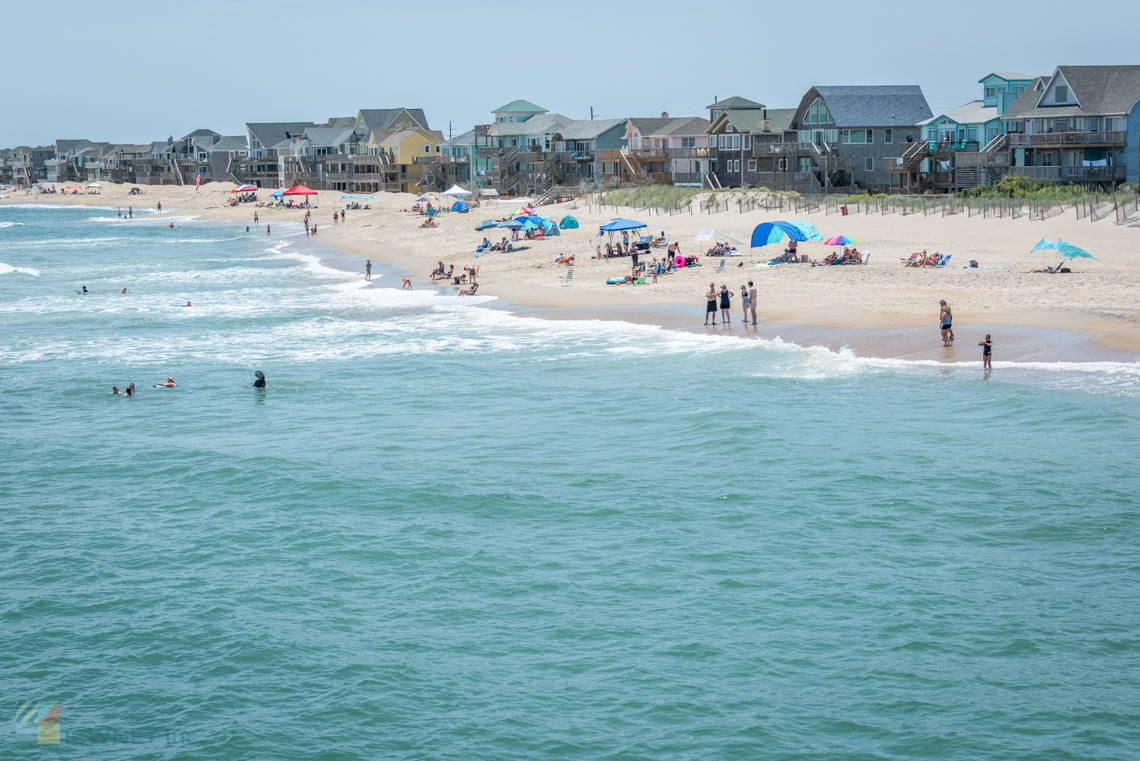
Head south over the Marc Basnight bridge, or take the Hatteras / Ocracoke ferry from Ocracoke Island, and you'll land on the shores of Hatteras Island.

Brindley Beach Vacations offers premier Real Estate and Property Management services across the entire Outer Banks. Representing more than 450 vacation rental homes, we proudly serve every region—from the southern beaches of Hatteras Island...

More than 2,000 shipwrecks sunk off the Coast of North Carolina in what’s called the Graveyard of the Atlantic. With all that history floating around, it was only natural to build a museum to honor and preserve the maritime culture of the...

ZoomAround Street Legal Golf Cart Rentals provides our communities and our visitors with fun, safe and convenient access to innovative transportation while providing an unparalleled customer experience. Don’t carry all of your beach gear...
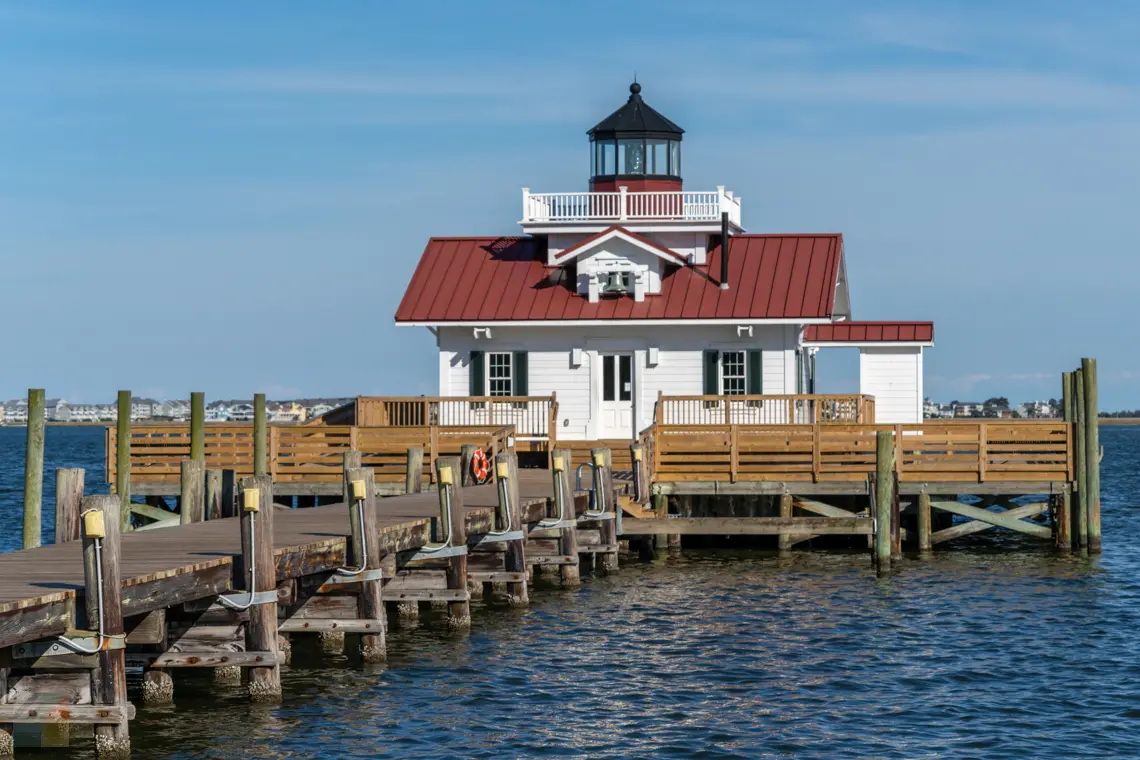
The Roanoke Marshes lighthouse is often one of the most overlooked of the Outer Banks lighthouses, simply because of its small stature, limited visibility and remote location tucked away at the quiet east end of the Manteo waterfront.

Stop by Nags Head's Ben Franklin at Mile Post 10 on the Bypass where you will find everything you need for the beach! From Clothing, T-shirts and Swimwear to Boards, Chairs, Umbrellas and Tackle. You'll find it all…and of course, we have the...

Many beachgoers enjoy the simplicity of soaking up the sun, sipping a beverage or reading a book. Sometimes we prefer a little friendly competition or just some play time in the surf. And of course, kids are always in motion on the sand. Here are...

The southernmost attraction on Hatteras Island is Hatteras Inlet, and fishermen, mariners, beachcombers, and island lovers all know this area of the Outer Banks shoreline very well. Located approximately half mile past the edge of the populated...

Owned by Garry Oliver, the proprietor of the Outer Banks Fishing Pier, this small wooden aqua blue-colored store on the Nags Head-Manteo causeway has been serving the needs of fishermen for decades. A full line of tackle is available for all types...

The Ocracoke Island Lighthouse may not be the most imposing of the Outer Banks lighthouses, but as North Carolina's oldest lighthouse in operation, (and the second oldest in the United States), it is certainly one of the most beloved. At just 65...

Looking to fly a kite on the beach or atop the spectacular dunes of Jockey’s Ridge State Park? Kitty Hawk Kites offers the largest selection of kites, wind art, flags, games, and toys on the Outer Banks, with experts on staff to get you flying...
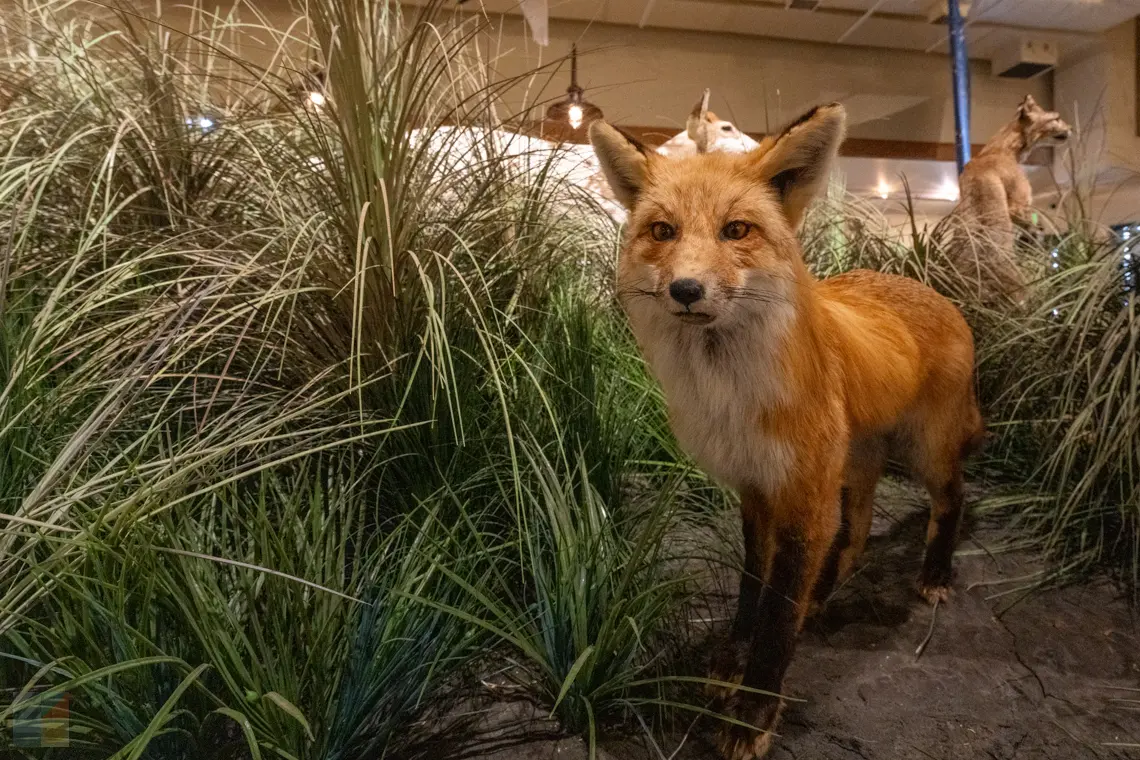
Corolla, North Carolina is a must see nautical village scented with the spray of the salty sea. It's located on NC Highway 12 along a thin strip of land bordered on the east by the tempestuous Atlantic Ocean, and on the west by the inland waterway...